Countries
Egypt
Active frameworks:0Activations:0
Iran
Active frameworks:0Activations:0
Iraq
Active frameworks:1Activations:1 Drought / dry spell

Lebanon
Active frameworks:1Activations:1 Flood
Flood
Morocco
Active frameworks:0Activations:0
Palestine
Active frameworks:0Activations:2
Syria
Active frameworks:0Activations:0
Yemen
Active frameworks:3Activations:2-
Drought / dry spell
-
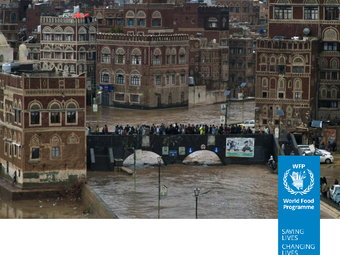
Flood

Overview
Active frameworks
5Activations
6Investments
$5M+People Targeted
230K+
Hazards covered by anticipation
-
Drought / dry spell
-
Flood
Climate disasters have almost tripled in the past four decades in the MENA region, an area that remains one of the least funded regions in-terms of climate finance. Rising temperatures, water scarcity (drought), decreasing crop yields, and flash floods are affecting around 40 million people in the region, including those living in conflict-affected nations like Syria, Yemen, Iraq, and Libya.
Anticipatory action refers to actions taken before a crisis hits to prevent or reduce potential disaster impacts prior to a shock or before acute impacts are felt. The actions are carried out based on forecasts or predictions of how the event will unfold.
In the MENA region, several key stakeholders have been advancing the AA agenda, including the Red Cross and Red Crescent (RCRC) Movement, the World Food Programme (WFP), World Vision International (WVI), the International Organization for Migration (IOM), along with governments, national meteorological and hydrological services, research institutions and universities.
Latest News


 Conflict


 Cold wave / heavy snowfall
Frameworks and Activations
View allIcon Explanations:
-
Drought / dry spell
-
Flood
 Food insecurity
 Heat wave
 Population movement
 Winter storms