
- Palestine
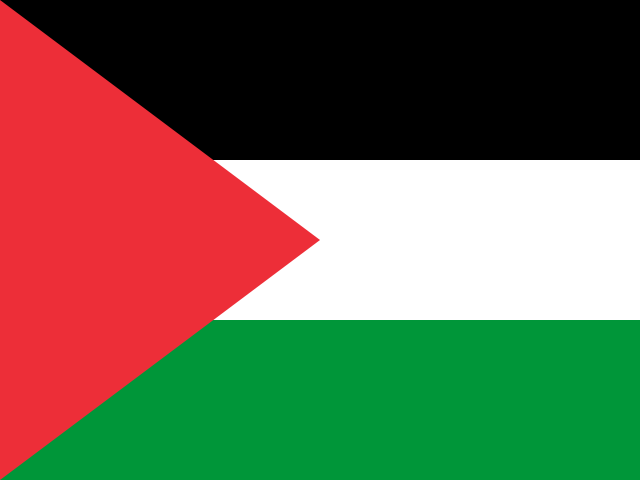
Palestine

Anticipatory action in Palestine
Active frameworks
0Activations
2Investments
$People Targeted
Hazards covered by anticipation
The climate in Palestine’s two enclaves is hot: Gaza has semi-arid conditions, while the West Bank only gets cooler at higher elevations. These can lead to drought and, due to rising global temperatures, urban heat waves are expected to intensify. The country is also prone to earthquakes, floods and landslides.
Palestine suffers from protracted conflict, political instability and economic stagnation, as well as high rates of unemployment and poverty; these all increase the vulnerability of its people. Impacts include high rates of water-borne diseases, food insecurity and multiple health crises.
Despite the complexity of the situation in Palestine, some organizations have implemented anticipatory actions ahead of forecastable hazards. Efforts to scale up this approach in the country are ongoing.
Working groups
Anticipatory Action Community of Practice Middle East and North Africa
Photo: Palestine. © Peter Tittenberger/Flickr



 Landslide / mudslide

 El Niño / La Niña

 Conflict