
Social protection policies and programmes aim to reduce poverty and vulnerability, and are key to long term, country-led strategies, to help vulnerable groups build resilience through: social assistance programmes using cash transfers and cash for work; social insurance such as pensions and unemployment allowance; and through other services such as nutrition, healthcare or employment services.
With intensifying climate events, the role of social protection in responding to climate change by minimising, averting and adapting to the impacts of climate change becomes increasingly important. Social protection systems can be considered as large risk management tools which can protect people from disaster impacts, with the potential to scale up beyond the capacity of humanitarian caseloads.
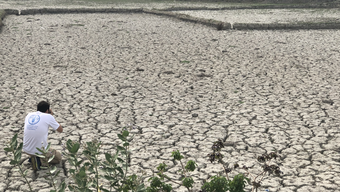
By linking national early warning systems to existing social protection systems to roll out a range of early actions, it is possible to provide faster, more sustainable, predictable, coordinated, and cost-effective assistance. For instance, a predictable and well-designed cash transfer program can scale up in advance of a drought peak, and deliver cash to groups pre-selected as particularly vulnerable to drought impacts, thus giving them the chance to plan for, and deal with the forecasted shock, and help them to avoid negative coping strategies.
Social protection policies and programmes aim to reduce poverty and vulnerability, and are a key part of a long term, country-led strategy to help the most vulnerable manage risks. Programmes include social safety nets such as cash transfers and cash for work programs; social insurance programs such as pensions and unemployment; and other services such as disability, nutrition or employment services.
In a context of increasing climate threats, social protection policies and programmes can help manage the risks of weather and climate extremes in order to reduce potential impacts on the most vulnerable people.This is an important advancement for a significant number of women, men and children whose lives and livelihoods are intrinsically linked to weather and climate.
One way in which social protection might help manage climate shocks is through flexible and scalable programmes that reach people affected by a disaster quickly – even before disaster impacts materialize. For instance, through a program that acts early to deliver cash transfers to households vulnerable to shocks. By helping avoid negative coping strategies, this early action might play a critical role in protecting development gains, and help build resilience.

 Heat wave


 Drought / dry spell
 Flood
Flood

Contacts

Sayanti Sengupta
Technical Advisor, Social Protection and ClimateRed Cross Red Crescent Climate Centre
Sengupta@climatecentre.org
Anita Auerbach (née Yeomans)
Cash-based Early Action and Social ProtectionGerman Red Cross
A.Auerbach@drk.dePhoto: Cyclone Idai, Mozambique, aftermath, 15-16 March 2019 (Denis Onyodi: IFRC/DRK/Climate Centre)