
- Iraq
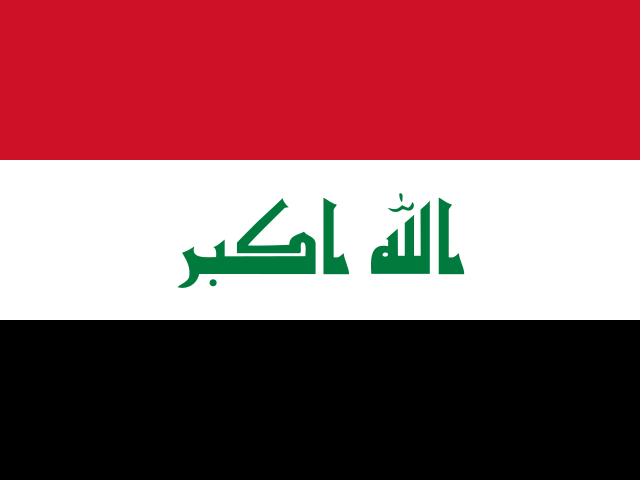
Iraq

Anticipatory action in Iraq
Active frameworks
0Activations
2Investments
$People Targeted
Hazards covered by anticipation
Iraq is afflicted by numerous hazards, with different regions vulnerable to, among others, disease outbreaks, drought, dust storms, earthquakes and floods. Heat waves are a growing risk: over 40 per cent of the country is desert, mostly in the southern regions, where temperatures can reach well over 40 degrees Celsius from June to August.
The impacts of these hazards are often exacerbated by other drivers of risk, such as conflict, displacement and social unrest, which increase the vulnerability and exposure of many communities. Anticipatory action offers a way to help at-risk communities cope with the effects of the many, often compounding, hazards they face.
Working groups
Anticipatory Action Community of Practice Middle East and North Africa
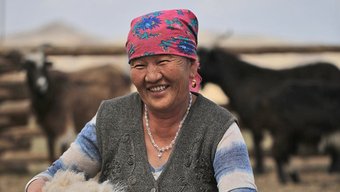
Photo: A volunteer from the Iraqi Red Crescent Society unloads an aid delivery for refugees near Erbil. © Stephen Ryan/IFRC
Frameworks and activations
View allIcon Explanations:
 Drought / dry spell
 Heat wave
Frameworks and activations
To explore detailed information about frameworks and activation information, please access this page on a larger screen.
View all

 Conflict


 El Niño / La Niña
