The Gap Between Building Anticipatory Action Frameworks and Their Activation: A Global Study on Anticipatory Action Readiness
Over the past decade, anticipatory action has expanded rapidly in scale, geographic reach and institutional uptake. According to the Anticipation Hub 2024 annual report, it reached over 17 million people in 2024 through 121 activations, supported by financing worth 110.7 million US dollars. There were 154 active frameworks in 48 countries, with 121 activations in 2024 - meaning 79% of anticipatory action frameworks were activated during the year. However, the 2024 regional mapping in Asia-Pacific found that only 38% of frameworks had been triggered in recent years, with many not sustained beyond individual project lifespans and therefore unable to be activated when needed In practice, this means that many frameworks were not triggered during the year. Despite significant investment in anticipatory action over recent years, a critical implementation gap persists between the development of frameworks and their effective activation.
The study, conducted by CARE International and led by the CARE Climate Justice Centre, seeks to explore the current state of readiness for frameworks. Specifically, the objectives are to: explore the status of frameworks worldwide; analyse the key enablers and barriers for maintenance, activation and sustainability; and identify good practices and key recommendations to maintain the operational readiness of frameworks.
This report was originally published on the CARE International website.

Publish Date
April 21, 2026
Resource Type
PDF, 1.99 MB
Authors
CARE International and the CARE Climate Justice Center
Year
2026
Region
Asia, Oceania
Content Type
Report
Thematic Area
Disaster Risk Financing, Lessons Learnt
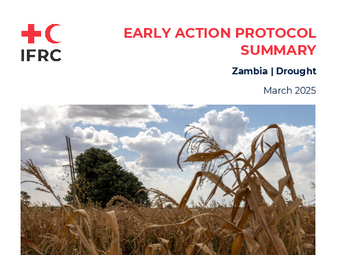
 Drought / dry spell
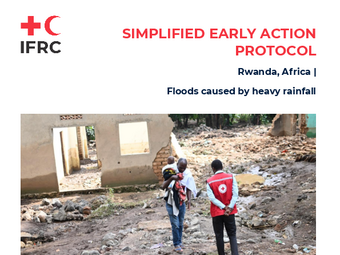
 Flood
Flood