Implementing Digital and Spatial Technologies for Anticipatory Action in the Mahakali Basin of Nepal
This report is based on the lessons learned from implementing anticipatory action through Digital and Spatial Technologies for Anticipatory Action (DASTAA) & Adopting cutting-edge and Frontier Technologies for Building Resilience through Anticipatory Action (ACT FIRST) projects in Nepal. Our approach to anticipatory action was data and technology-driven, focusing on household-level risk assessments and tailored, multichannel risk communication. To achieve accurate household-level risk computation, the project team used DASTAA, an integrated platform for risk assessment and early action planning. The activities, challenges, and lessons learned from each project are systematically reviewed using the Early Warning for All Framework, which divides disaster risk reduction’s core principles into four critical evaluation pillars. The DASTAA & ACT First projects are carried out in 3 municipalities located within the Makahali river basin in Far-West Nepal. It aims to communicate and provide a structured analysis of the implementation process and highlight challenges and lessons learned to guide and enhance future anticipatory action initiatives in Nepal and beyond.

Publish Date
April 21, 2026
Resource Type
PDF, 25.92 MB
Authors
Shudarshan Hamal, Pratistha Katwal, Dechen Dolma Sherpa and Biddya Bhandari
Year
2026
Country
Nepal
Region
Asia
Content Type
Report
Thematic Area
Technology, Lessons Learnt
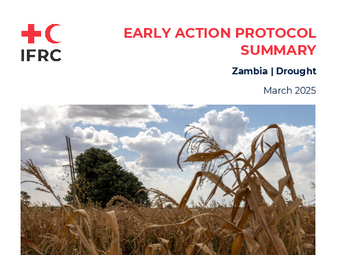
 Drought / dry spell
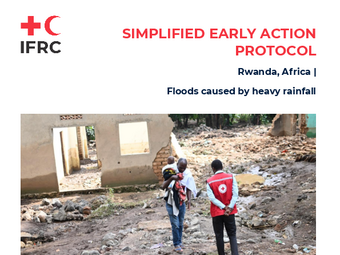
 Flood
Flood