
- Bolivia
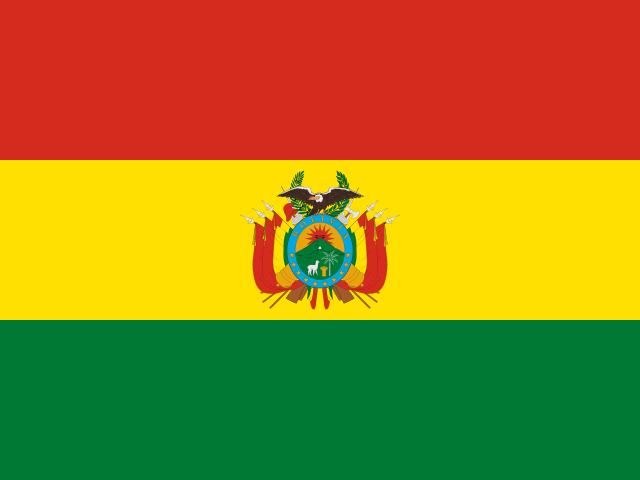
Bolivia

Anticipatory action in Bolivia
Active frameworks
3Activations
3Investments
$550K+People Targeted
39K+
Hazards covered by anticipation
 Drought / dry spell
 Riverine flood
Bolivia is exposed to a range of hazards. Flooding is a recurrent threat, particularly during the rainy season (November to March), often damaging homes, displacing communities and disrupting agriculture and transport. Droughts are another major hazard, especially in the semi-arid Altiplano and Chaco regions, where water scarcity affects crop yields, livestock, and food security. Climate change is expected to intensify these events, increasing the pressure on already vulnerable communities. Other hazards include landslides and severe frosts.
Anticipatory action is proven way to minimize the impacts of many hazards and enhance communities’ resilience. Efforts are under way to establish this approach across Bolivia.
Working groups
Regional Technical Group on Anticipatory Action in Latin America and the Caribbean
Photo: Installing reservoirs to anticipate drought in the Altiplano, Bolivia. These are essential for storing water in the highlands. © Alexis Vallejo/FAO
Frameworks and activations
View allIcon Explanations:
-
Drought / dry spell
 Flood
Flood
 Multi-hazard
-
Riverine flood
 Wildfire
Frameworks and activations
To explore detailed information about frameworks and activation information, please access this page on a larger screen.
View all
 El Niño / La Niña


