Bangladesh Rapid Response: Anticipatory Action Pilot - Flood (2020)
This report considers allocation use and achievement of CERF funds spent on the implementation of the Bangladesh anticipatory action pilot on floods in 2020. The report is broken into two parts: allocation overview and project overview. Considering allocation overview, 321,715 people were directly reached, compared to the original plan of 390,000, as well as people indirectly reached. Key benefits to anticipatory action were identified, including speed and cost-efficiency. Operational lessons learned included the importance of pre-positioning stocks for rapid action, flexible operational planning and financing, and utilizing geo-spatial analysis for future anticipatory programmes.
The project overview section provides project information, funding details, overall performance analysis, and demographic information on beneficiary population for each implementing partner in the pilot (FAO- Agricultural livelihoods protection through humanitarian Anticipatory Actions in Jamuna river, UNFPA - Anticipatory Action Framework pilot project to reduce flood impact on women and girls in areas of SRHR, GBV and Adolescent Youth, and WFP - Forecast based Anticipatory Early Action to Support Disaster Preparedness for Flood Affected Vulnerable Households). Links to outputs giving visibility to CERF-funded activities is included for each implementing partner’s project. Details on CERF funds disbursement to individual partners is also broken down by amount transferred in US dollars.

Publish Date
February 07, 2021
Resource Type
PDF, 887.28 KB
Authors
Mia Seppo
Year
2022
Country
Bangladesh
Region
Asia
Content Type
Report
Thematic Area
Evidence, Lessons Learnt
Hazard
Flood
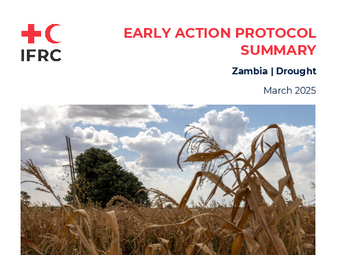
 Drought / dry spell
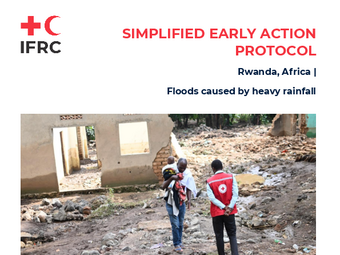
 Flood
Flood