Search Results
The International Federation of Red Cross and Red Crescent Societies has officially approved two new Early Action Plans (EAPs): the EAP for Floods associated with Tropical Storms in Honduras, and …
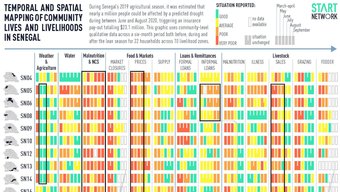
Anticipatory action relies on high-quality data, but obtaining such data in crisis situations is rarely straightforward. Can predictive analytics – including the use of artificial intelligence and …
The ‘window of opportunity’ – the period in which people can act ahead of a crisis – varies within countries. How can anticipatory action practitioners ensure they hit this window and provide the …
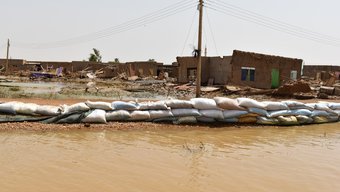
Introducing forecast-based financing in Sudan, aiming to protect lives and livelihoods in the event of imminent flooding – and before the river water overflows its banks.
Impact based Forecasting (IbF) is an expanding and evolving area of research within National Meteorological and Hydrological Services (NMHSs) and the humanitarian sector...
In April, the German Federal Foreign Office (GFFO) published a review on its approach to anticipatory humanitarian action, assessing its role and areas of improvement.
A recap on what has happened on anticipatory action at the Global Platform on Disaster Risk Reduction in Bali in May 2022.
At MHEWC-III and GPDRR two sessions explored challenges and opportunities around IBF and AA and ambitions to sustainably scale up early warning early action efforts - read the key messages here.