- Africa
- Uganda

Uganda
Anticipatory action in Uganda
Active frameworks
5Activations
7Investments
$12M+People Targeted
1M+
Hazards covered by anticipation
 Drought / dry spell
 Multi-hazard
 Riverine flood
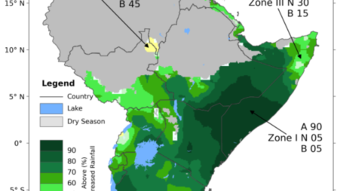
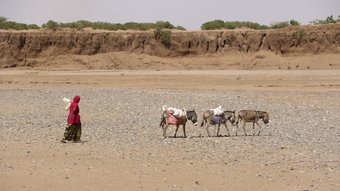
The main hazards affecting people in Uganda vary by region. Drought is prevalent in the north-east and central regions, while floods affect those in the centre and the east, and along its major rivers. Other hazards include earthquakes, epidemics, landslides and mudslides.
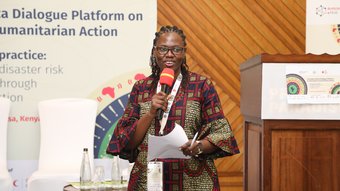
One of the first countries to pilot anticipatory action back in 2015, this approach is now well established within the country. Several partners have acted ahead of different hazards in recent years, and the country has held national-level dialogue platforms to advance this approach.
Working groups
Eastern Africa Regional Technical Working Group on Anticipatory Action
National Technical Working Group on Anticipatory Action
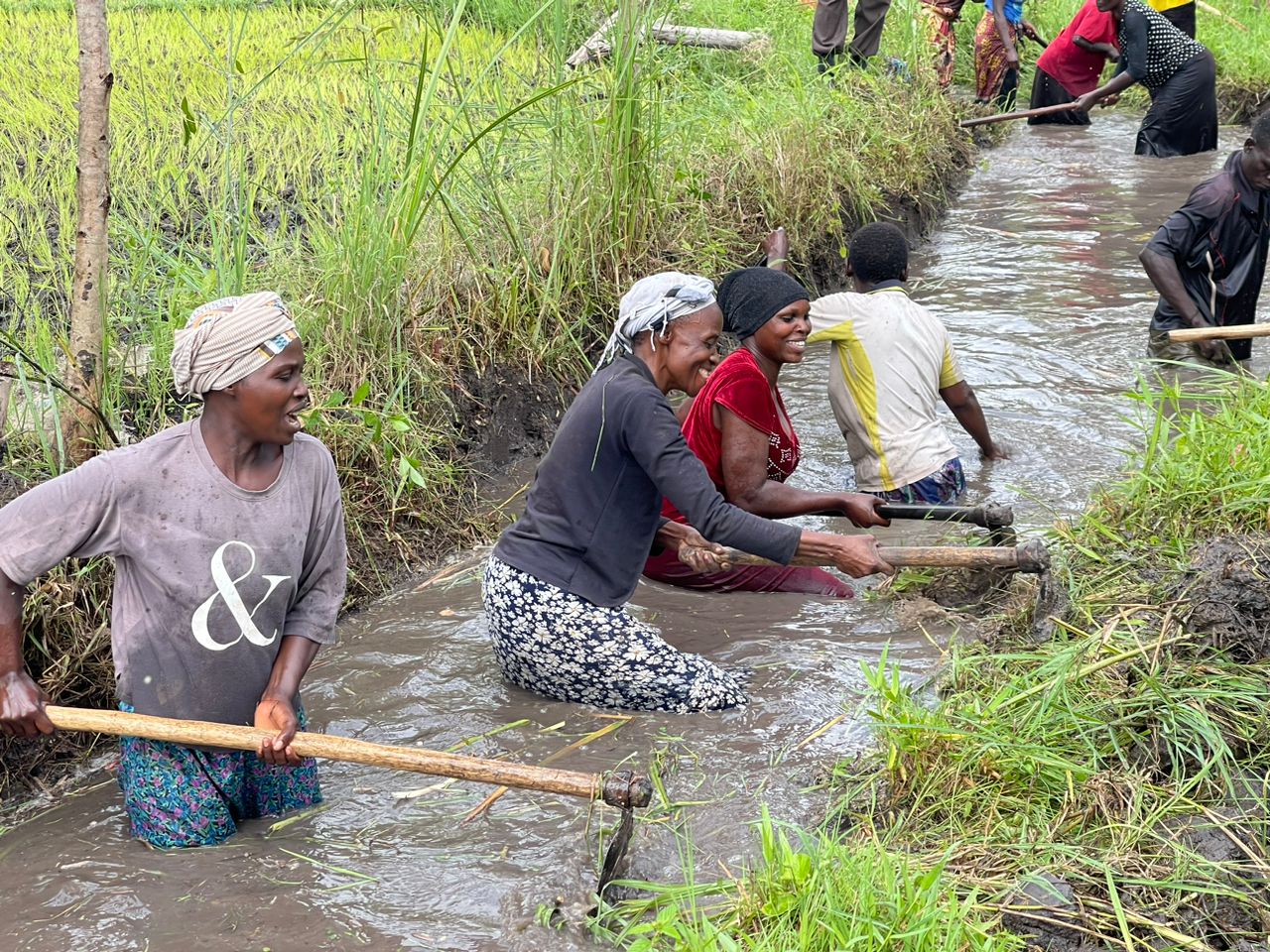
Photo: A cash-for-work activity ahead of floods. © Ntale Emmanuel/Uganda Red Cross Society
Frameworks and activations
View allIcon Explanations:
 Disease outbreak / epidemic
-
Drought / dry spell
 Flood
Flood
 Livestock pests and diseases
-
Multi-hazard
-
Riverine flood
Frameworks and activations
To explore detailed information about frameworks and activation information, please access this page on a larger screen.
View all
 El Niño / La Niña



 Conflict