- Africa
- Mozambique
 Cyclone / hurricane / tropical storm / typhoon
Mozambique holds its second national After-Action Review for the 2025/26 flood and cyclone season
From 10 to 14 August 2026, the Mozambique National Institute for Disaster Management convened the country's second national After-Action Review, examining eight activations from the 2025/26 season and setting priorities for the 2026/27 season.
Mozambique holds its second national After-Action Review for the 2025/26 flood and cyclone season
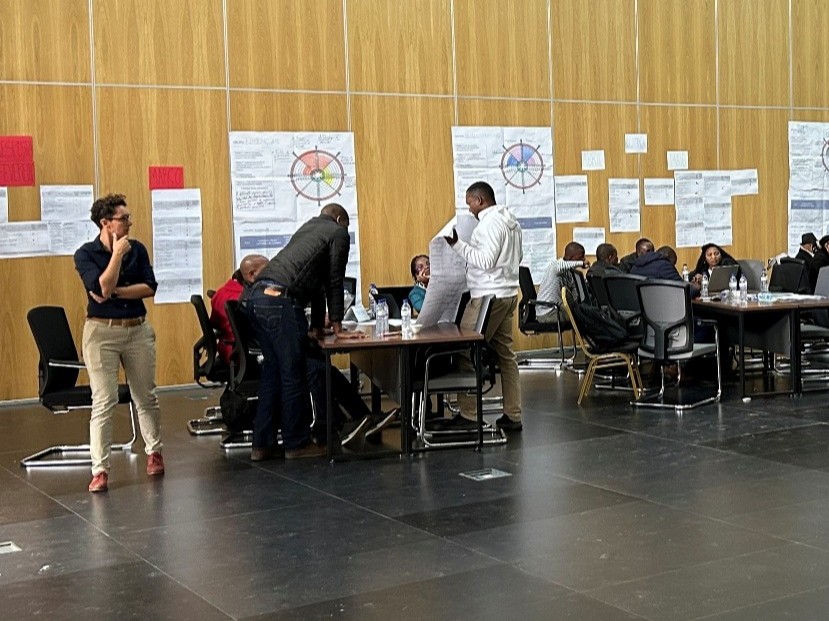
From 10 to 14 August 2026, the government of Mozambique, through the National Institute for Disaster Management (INGD), convened the country’s second national After-Action Review (AAR). Building on the first review, held in June 2025, it examined the 2025/26 season, during which a total of eight activations took place: seven for floods and one for tropical cyclones. The AAR was facilitated by the Anticipation Hub with support from the Mozambique Red Cross Society.
The season tested the anticipatory action system to an unusual degree, with 314 lives lost across the different hazardous events recorded, most notably from floods, lightning strikes and cholera. The floods affected more than 150,000 people and prompted one of the largest combined anticipatory action and response efforts the country has undertaken in recent years. This made for a substantial body of experience to draw upon.
A space for collective reflection
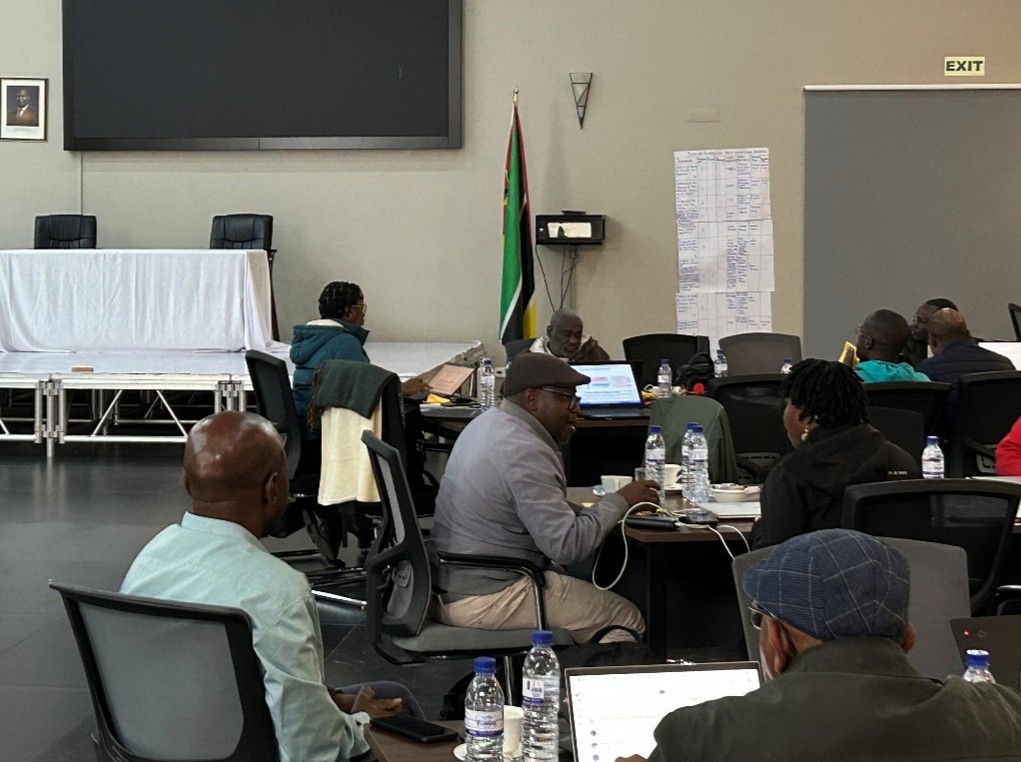
The first three days of the AAR followed the approach established the previous year. Participants worked through the activations, asking what had been planned, what was actually put into practice and why, and what should change for the season ahead. More than 50 participants took part, drawn from government sectors, donors, humanitarian partners, and meteorological and hydrological institutions.
Key topics discussed over these three days included:
- forecasting and early warning, including the reach of warnings to the last mile, the availability of inclusive communication channels, and the level of community confidence in forecasts and early evacuation calls
- logistics and last-mile delivery, where access routes were damaged or cut off during the season and alternative means of transport proved essential, pointing to the value of identifying alternative routes in advance
- collaboration and coordination across sectors and at the technical level, for example regarding the coverage of the harmonized national flood triggers, which do not yet extend to all river basins
- the financing of anticipatory action plans, including the predictability and timeliness of financial flows and the alignment between planning and execution, at a time when humanitarian budgets are contracting globally.
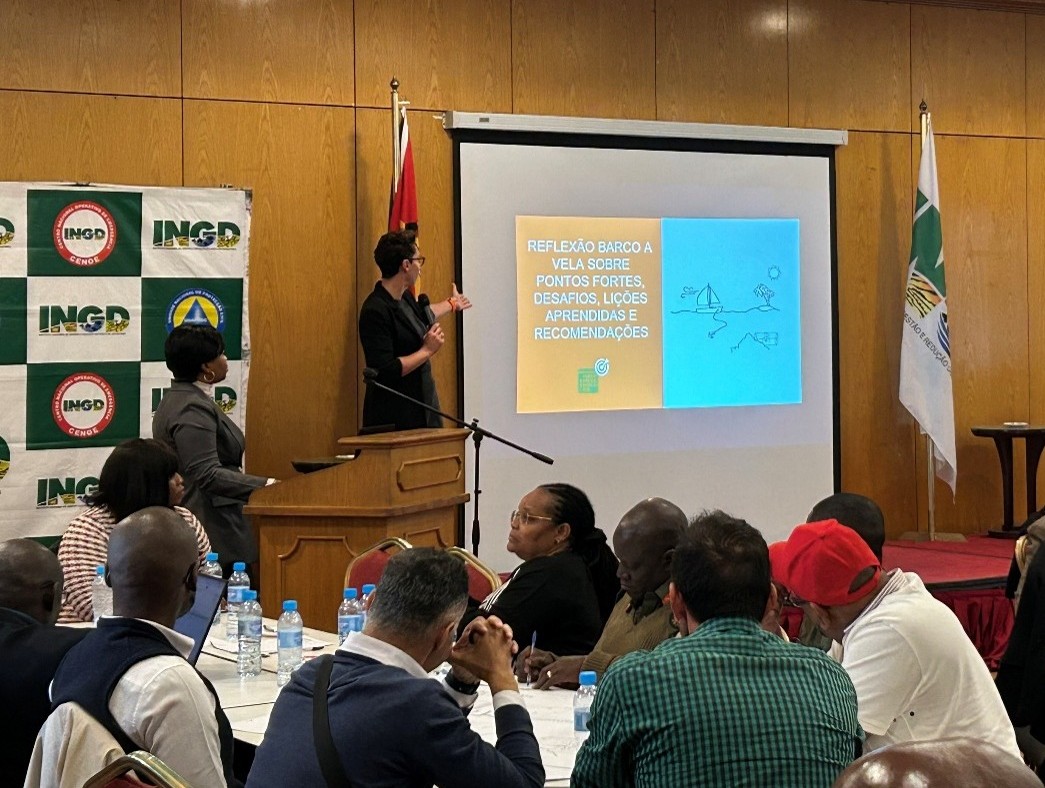
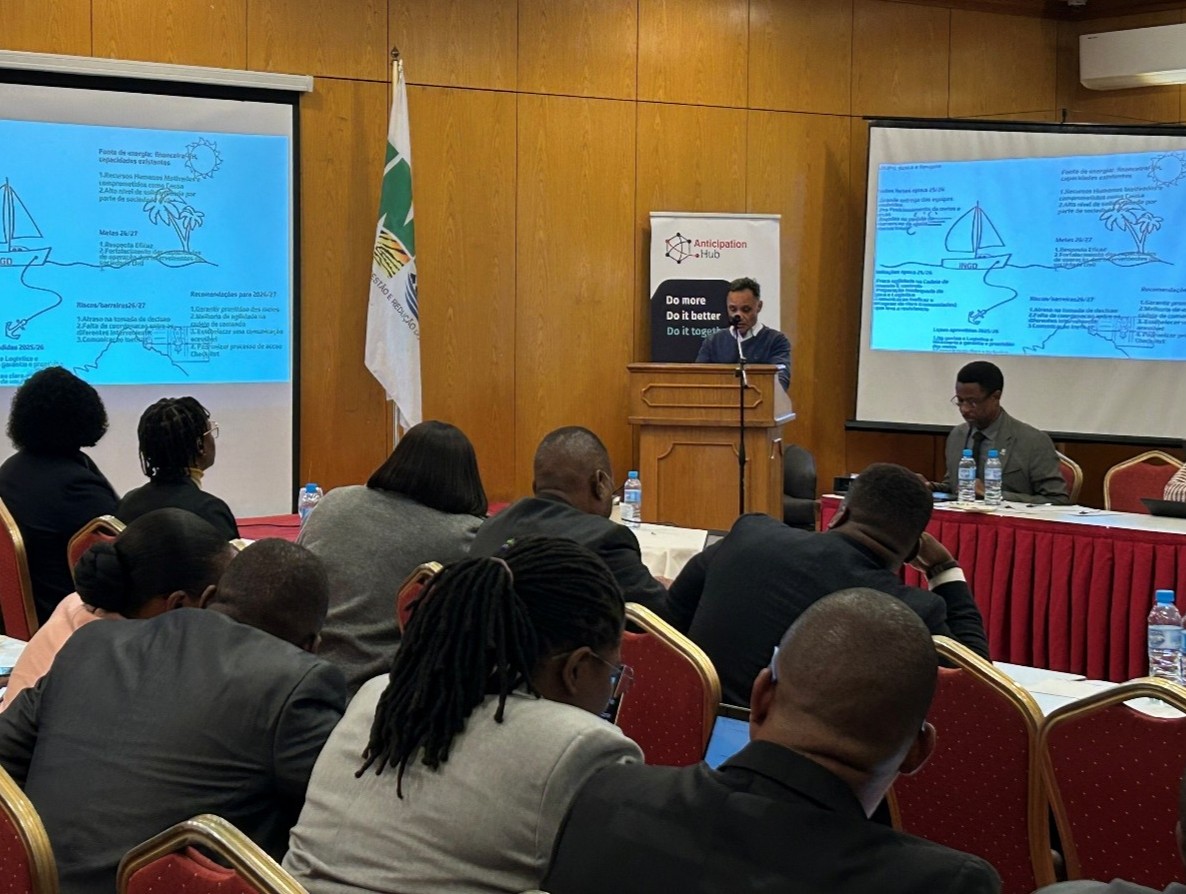
From lessons to recommendations for the 2026/27 season
On the fourth day, the emerging conclusions were carried to a high-level event attended by around 100 participants. It was moderated by the president of INGD, Dr Luísa Celma Meque, with the participation of members of the Technical Council for Disaster Risk Management and Reduction, members of INGD’s Advisory Council, and the administrators of the districts worst affected by the floods, whose provincial perspectives validated and added to what had been drawn out during the technical sessions. On the final day, a technical group within INGD consolidated the lessons learned and the workplan, which will feed into the report drafted by INGD and, in turn, into a contingency plan for the coming season.
The recommendations taken forward include:
- Strengthen joint planning and preparation, with a clear definition of roles and responsibilities, regular and timely information sharing, intersectoral assessment and monitoring, and clearly defined coordination mechanisms.
- Identify and improve alternative access routes on critical stretches ahead of the rainy season.
- Strengthen national capacity to finance anticipatory action activities as soon as they are triggered.
- Engage communities in preparedness and in the pre-positioning of resources and assets.
Working together to support joint learning
The AAR was organized by INGD and facilitated on behalf of the Anticipation Hub by Marcela Ricupero and Alzira Nhaquila. The event was supported financially by a range of partners, including: the German Red Cross, with funding from the German Federal Foreign Office; the Swedish Red Cross; the International Federation of Red Cross and Red Crescent Societies; the UK's Foreign, Commonwealth and Development Office; the United Nations Children's Fund; and the World Food Programme.
This article was written by Marcela Ricupero, Ria Jusufbegovic and Sören Schneider. All photos by the German Red Cross.