- Asia
- Bangladesh
 Heavy rain

Turning forecasts into actions: protecting communities from landslides, floods and flash floods in Bangladesh
With forecasts signalling heavy rains, floods and landslides, partners in the SURAKKHA project in Bangladesh acted to assist at-risk communities to prepare for the impacts.
Turning forecasts into actions: protecting communities from landslides, floods and flash floods in Bangladesh
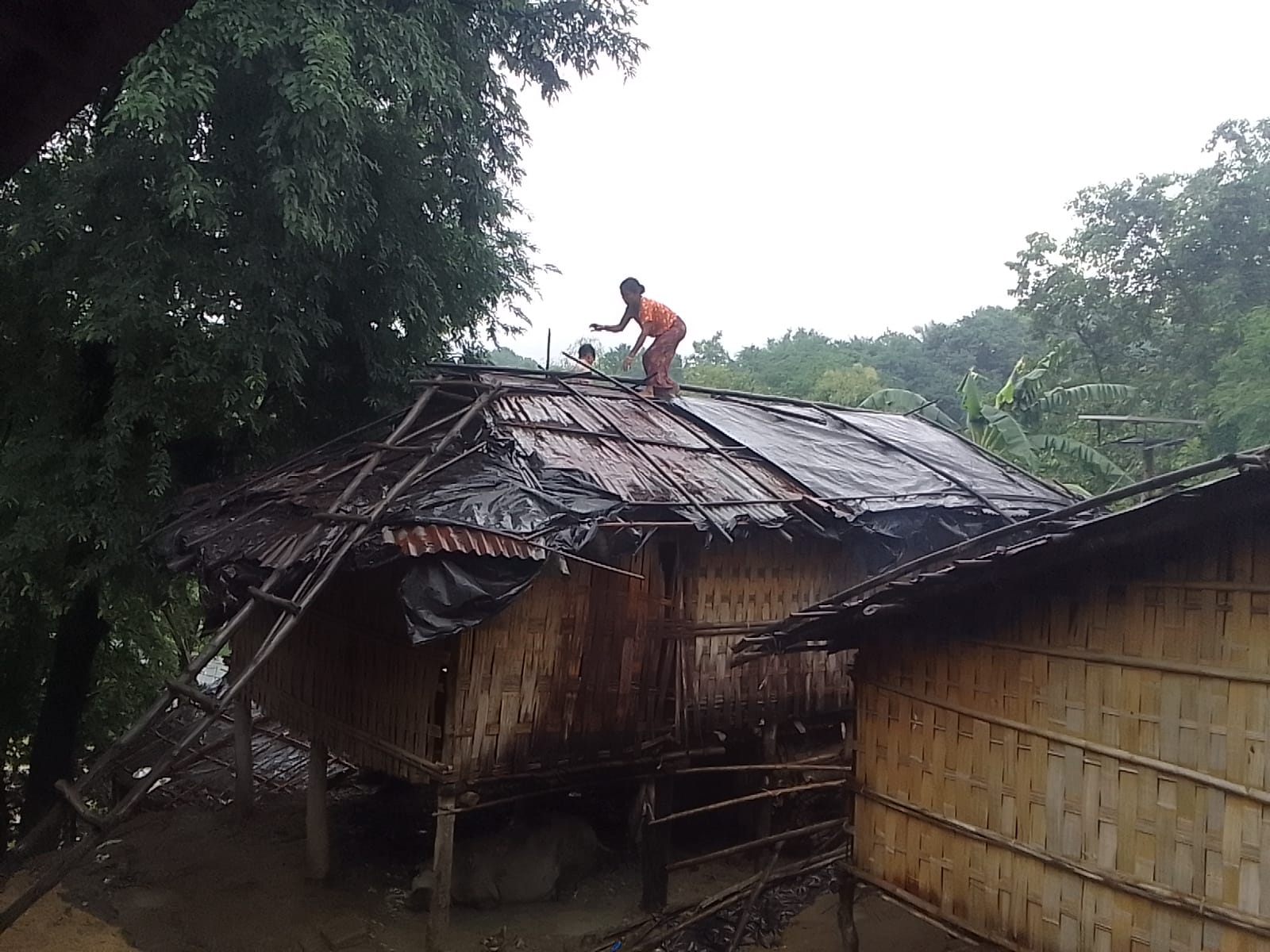
Between 6 and 12 July 2026, a low-pressure system and an active southwest monsoon brought exceptionally heavy rainfall across south-eastern Bangladesh, significantly increasing the risk of landslides and flash floods across Chattogram and the Chattogram Hill Tracts. Another period of heavy rainfall hit between 21 and 23 July. Acting based on impact-based forecasts, partners in the Scaling up Multi-Hazard Anticipatory Action (SURAKKHA) in Hilly Regions of Bangladesh project were able to assist at-risk communities up to five days before the peak impacts were felt.
Save the Children in Bangladesh, together with ASHIKA Development Associates, the Bangladesh Meteorological Department (BMD), the Regional Integrated Multi-Hazard Early Warning System for Africa and Asia (RIMES) and Young Power in Social Action, were able to disseminate early warnings, help people to evacuate at-risk areas safely, provide anticipatory cash assistance, and strengthen communities’ overall preparedness. These activities were carried out in close coordination with Bangladesh’s Department of Disaster Management, the country’s Anticipatory Action Technical Working Group, local authorities, disaster management committees and community volunteers.
“The rain doesn't wait – so neither do we”
Rainfall in parts of Bangladesh during July was intense. The BMD recorded 1,477.1 mm of cumulative rainfall at its meteorological office in Patenga, while Chattogram received 412 mm of rainfall within 24 hours, the highest daily amount recorded in the city in 43 years.
A two-stage activation
The first set of anticipatory actions were triggered after cumulative rainfall forecasts, combined with landslide susceptibility and exposure analyses, reached the readiness and activation thresholds under Bangladesh’s draft national early action protocol. A second activation followed on 21 July, when forecasts indicated an increased landslide risk in Lama and Naikhongchhari.
To reduce the risk of a disaster and protect the communities most at risk, the project partners implemented a range of anticipatory actions:
- 708,750 voice-based early warning messages were disseminated through a collaboration with BMD and RIMES.
- More than 146,000 people were reached through localized, multi-channel early warning systems, including voice messages, community volunteers, door-to-door outreach, public announcements and social media.
- 415 trained community volunteers supported household preparedness, risk communication and the dissemination of ‘last mile’ early warnings through trusted community networks; this included messages in different languages to ensure they reached vulnerable and marginalized communities.
- 1,347 households were safely evacuated from high-risk locations, while 28 project-supported safe shelters were set up to complement government shelters.
- 300 high-risk households received 6,000 Bangladeshi taka (approximately 49 US dollars/42 euros) in anticipatory cash, sent by mobile money transfers and cash-in-hand modalities. This enabled families to buy food, safe drinking water, medicines and emergency shelter materials, and to arrange evacuation transport and protect their essential assets, livestock and livelihoods.
- Community volunteers, disaster management committees, local authorities and project partners helped households to prepare for the forecast hazards, for example by cleaning drains, relocating livestock and getting shelters ready.
Throughout both activations, the project partners continuously monitored rainfall levels and landslide-prone locations. The rainfall during the second activation was actually lower than forecast, and no major landslides occurred. However, these two activations demonstrate the value of acting early based on credible forecasts. Through localized early warnings, community preparedness activities, safe evacuations and anticipatory cash assistance, the SURAKKHA project helped vulnerable communities to act early. This not only supported them through these periods of heavy rainfall and flooding, but also strengthened their resilience to the increasingly frequent climate-induced hazards in Bangladesh’s hill districts.
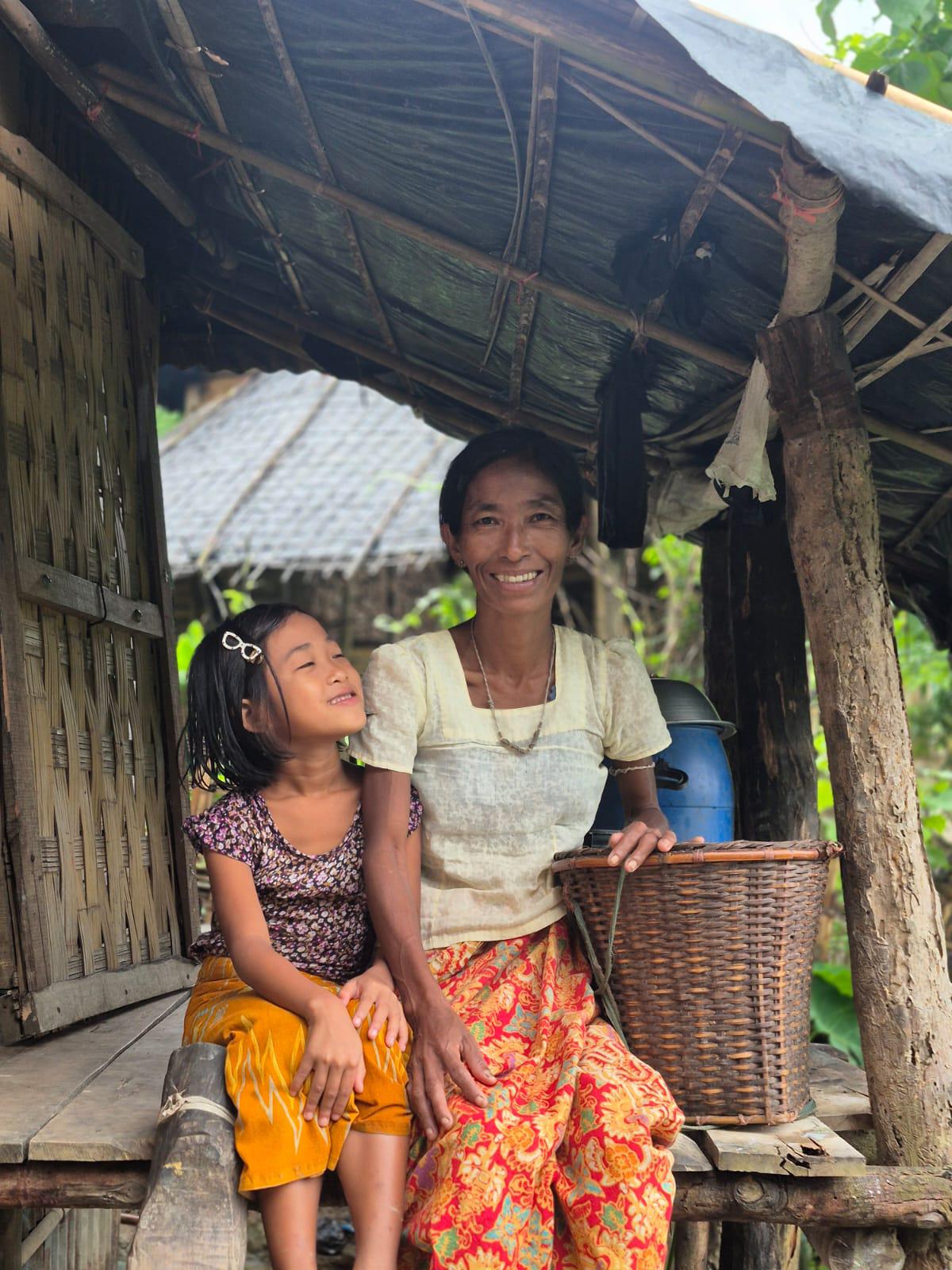
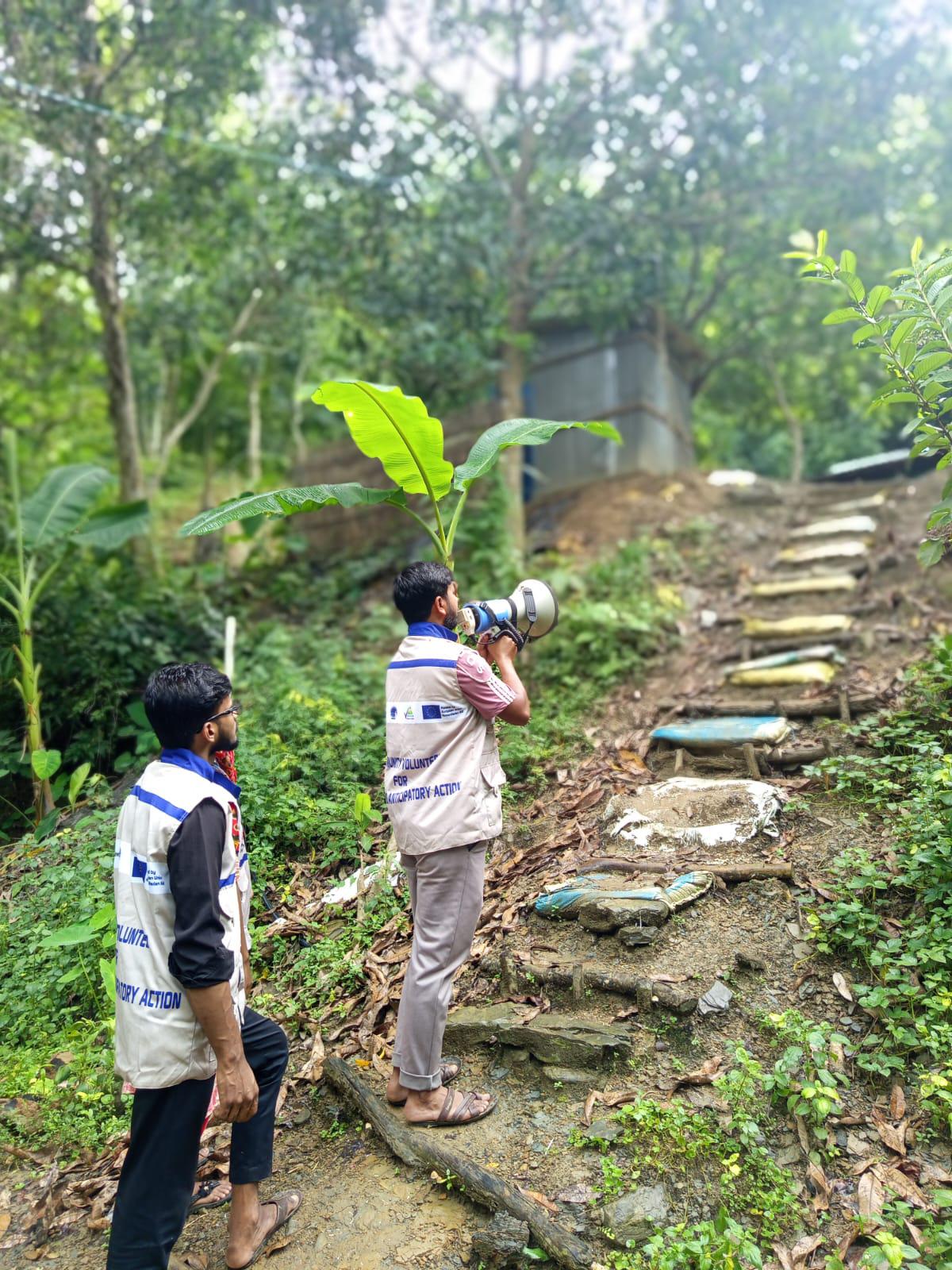
The SURAKKHA project is supported financially by European Civil Protection and Humanitarian Aid Operations.
Article submitted by Fatema Meherunnessa, Save the Children Bangladesh. Photos from Save the Children Bangladesh.
 Flood
Flood