
- Africa
- Eritrea
- Conference
Reflecting on regional progress at the 2nd Eastern Africa Dialogue Platform
Over 400 participants are meeting in Mombasa, Kenya, this week for the 2nd Eastern Africa Dialogue Platform. The focus is to review progress towards the shared vision for anticipatory action in the region and set out the priorities for moving forwards.
Reflecting on regional progress at the 2nd Eastern Africa Dialogue Platform
In 2024, the Mombasa Declaration set out the collective vision for anticipatory action in eastern Africa. Two years later, more than 400 participants are meeting at the 2nd Eastern Africa Dialogue Platform (EADP2), being held once again on the Kenyan coast. The first question to tackle on day one was: how much progress have we made towards the 17 commitments in this shared vision?
The first session comprised a national-level stock take, with representatives from each country identifying the achievements, barriers, priorities and areas where they need support. “Tell us: what have been your key achievements and main challenges?” asked Irene Amuron, Red Cross Red Crescent Climate Centre.
The analysis showed some common areas of progress: an increasing number of frameworks and protocols; national-level plans, policies, working groups and dialogue platforms; improved technical capacity, for example in providing better forecasts; and new thematic guidance and dashboards to improve coordination among actors. Ongoing priorities included the need to further integrate anticipatory action into national systems for disaster risk management; early warnings that really reach those at risk; and the continuing challenge of securing sufficient financing to implement actions.
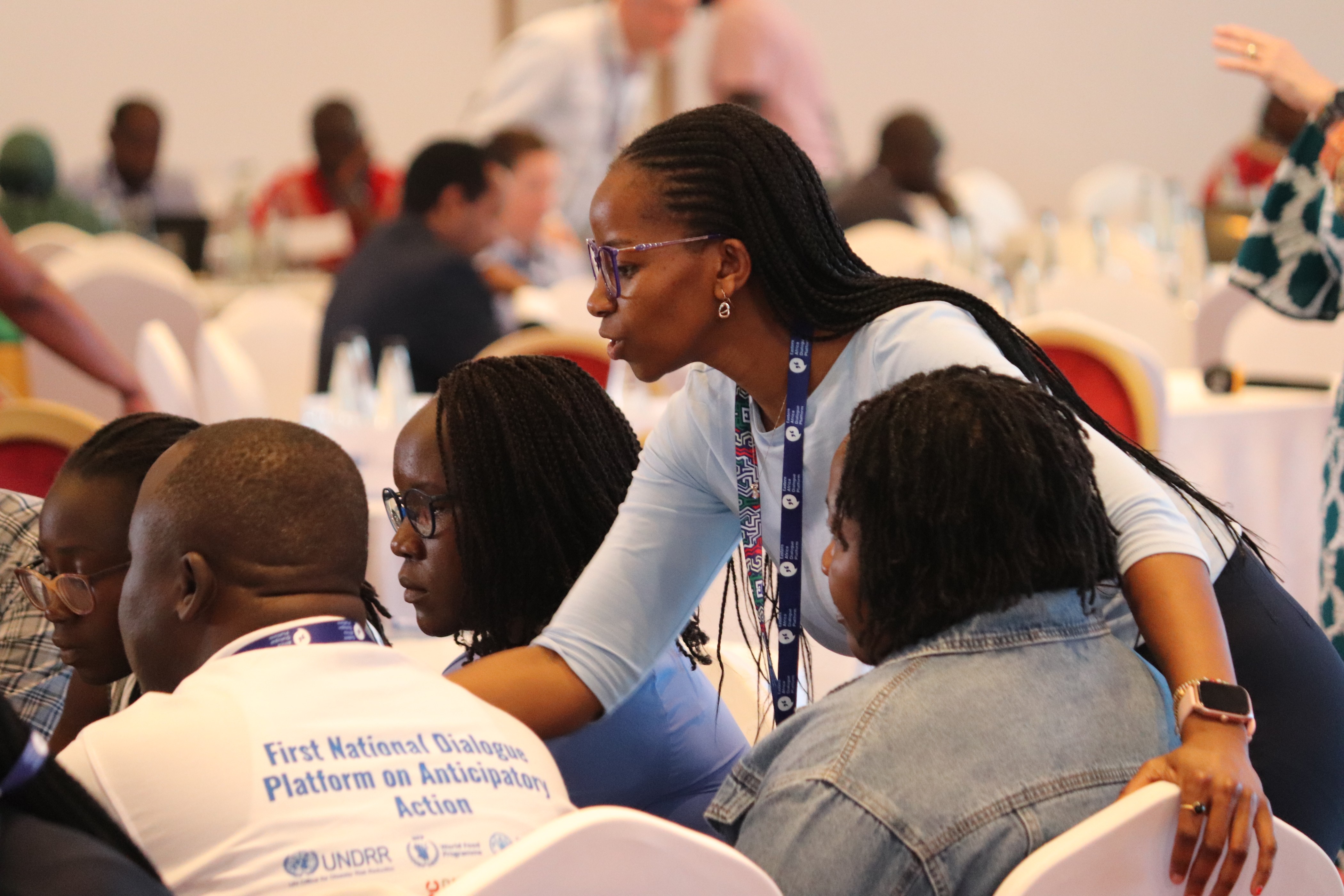
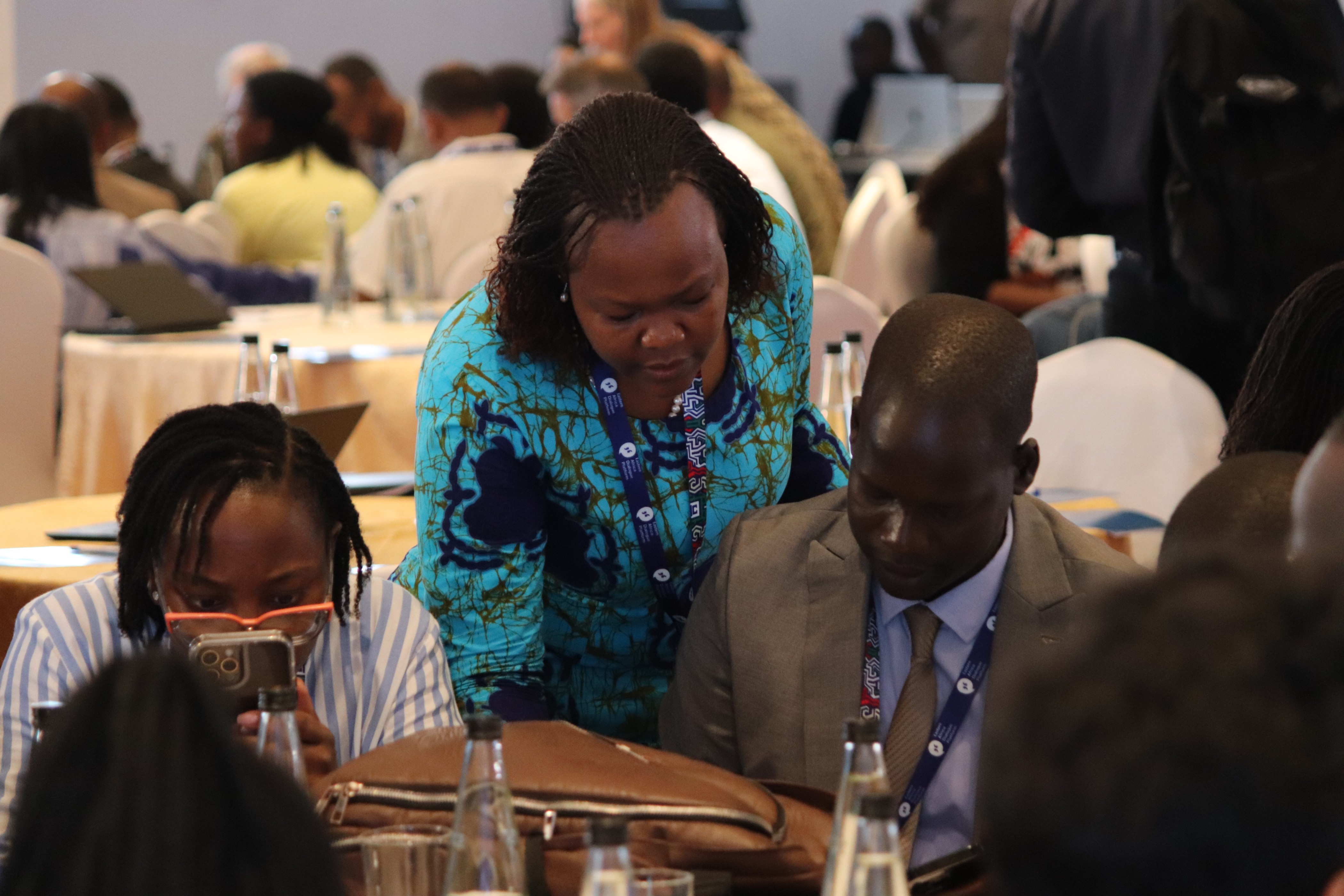
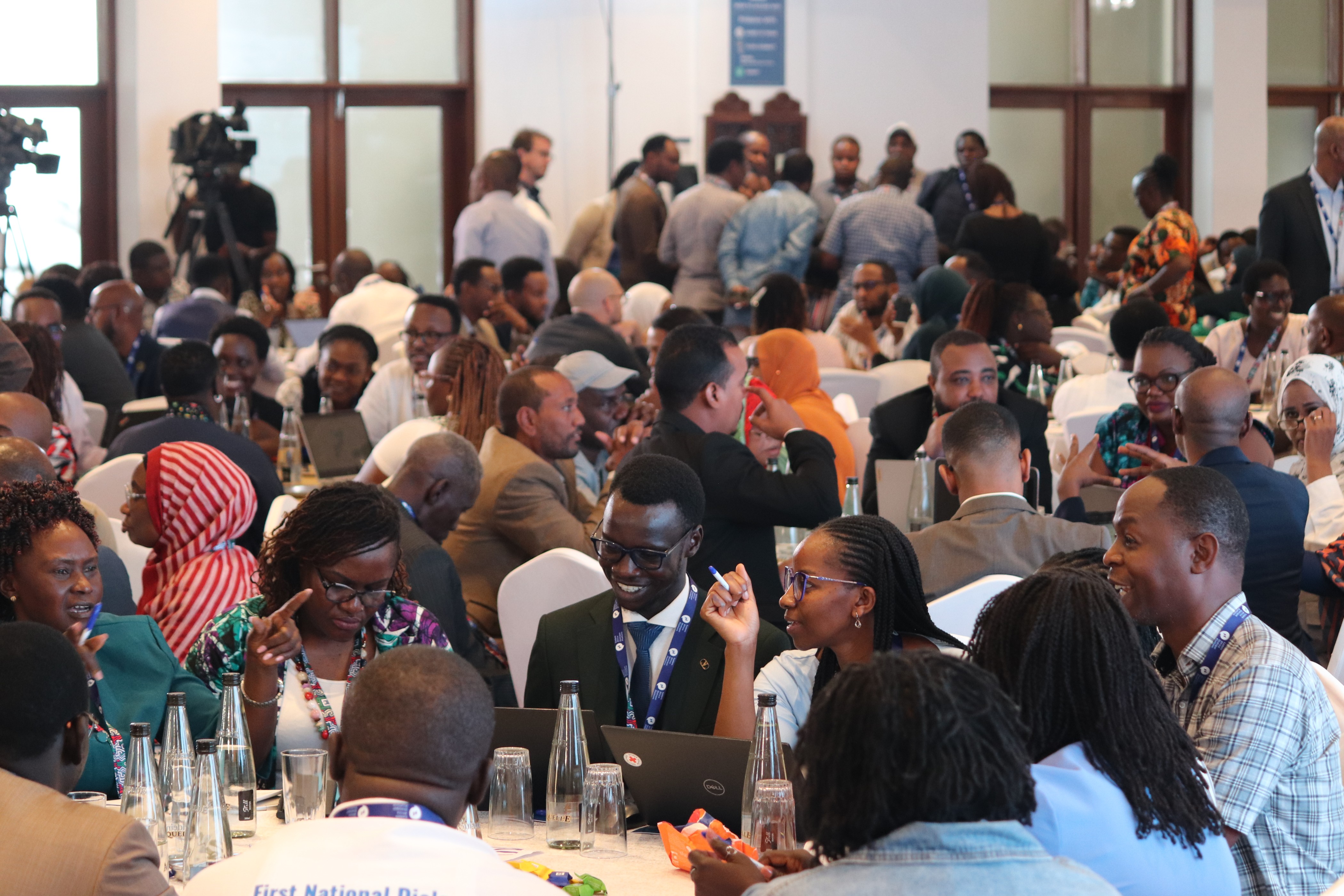
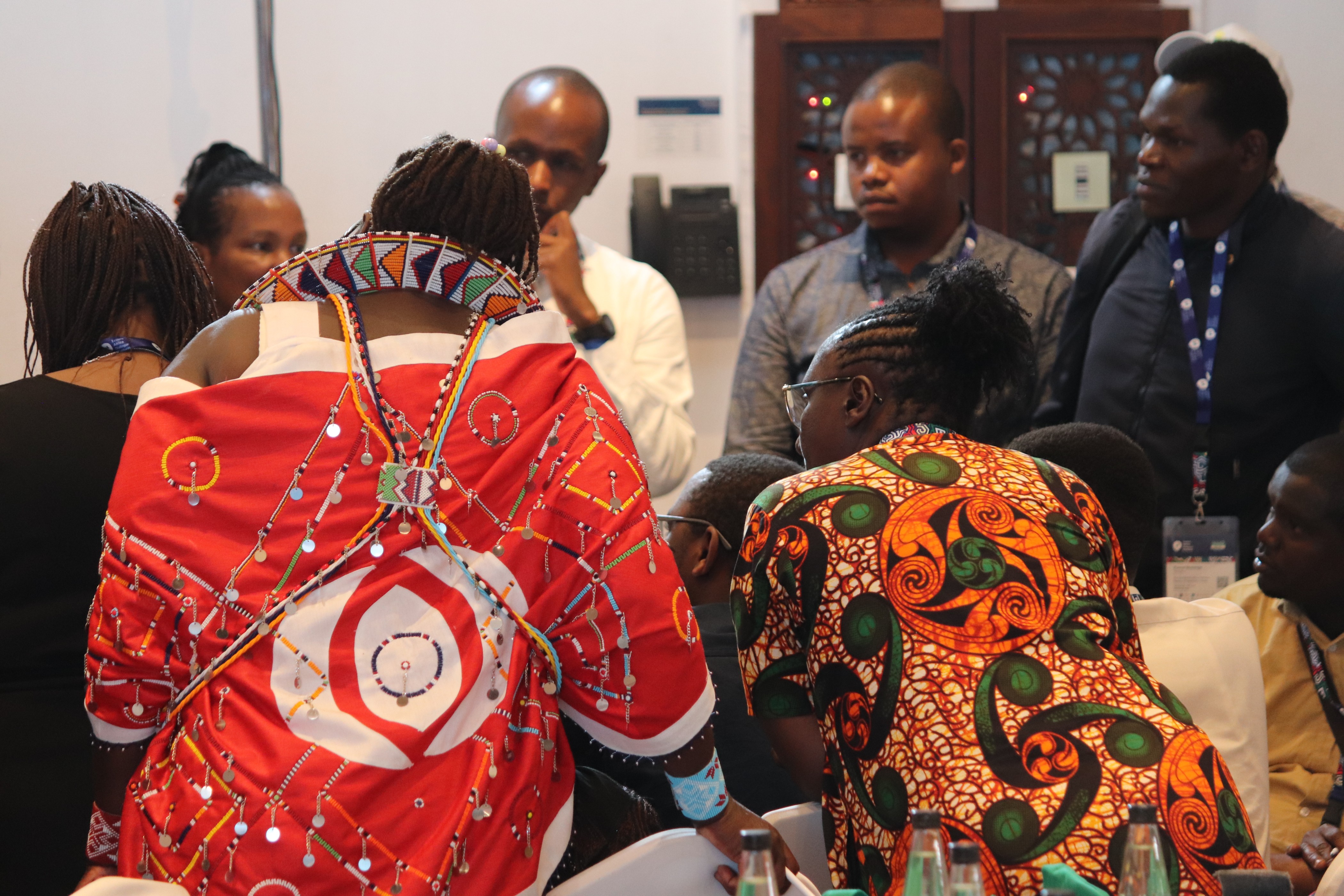
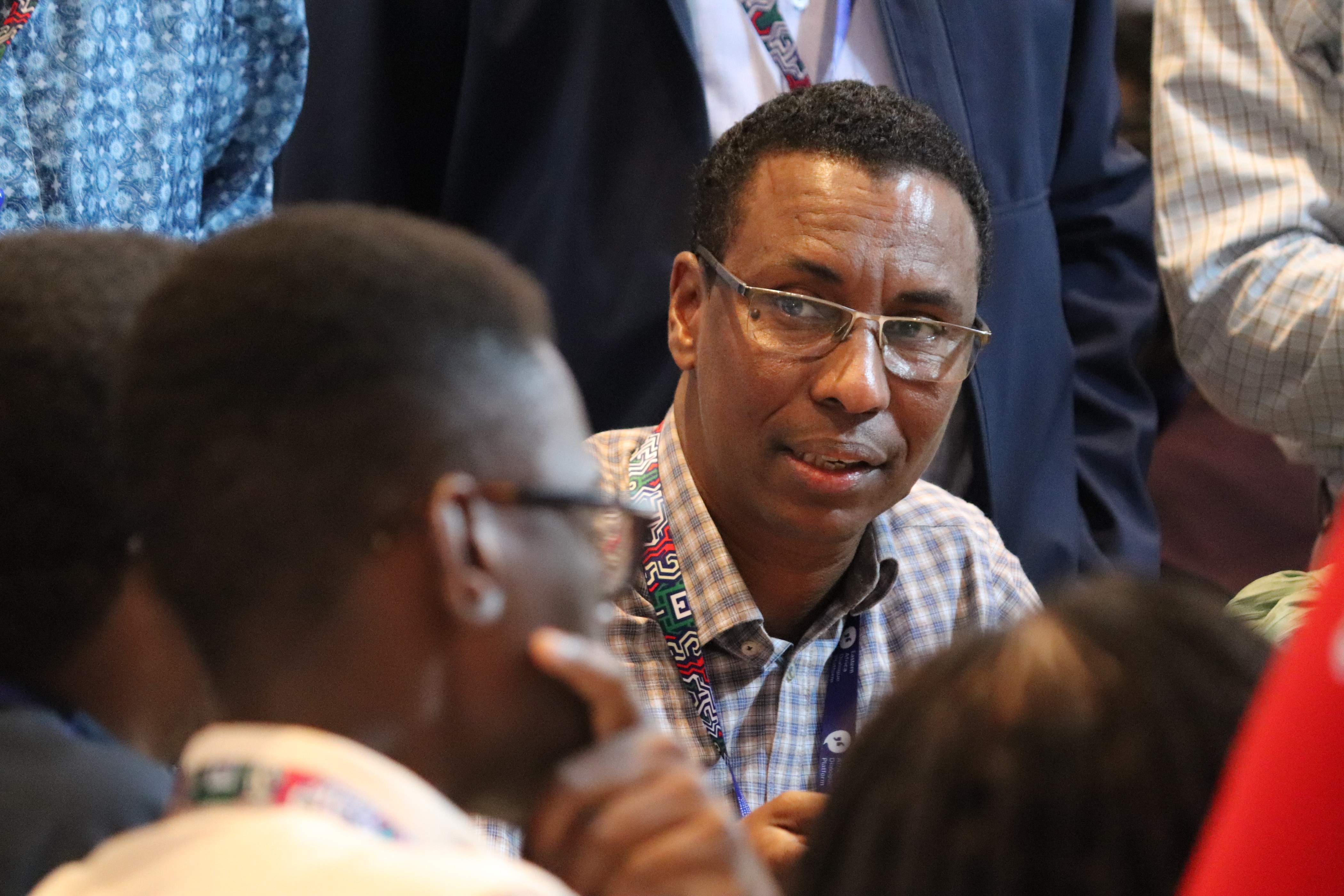
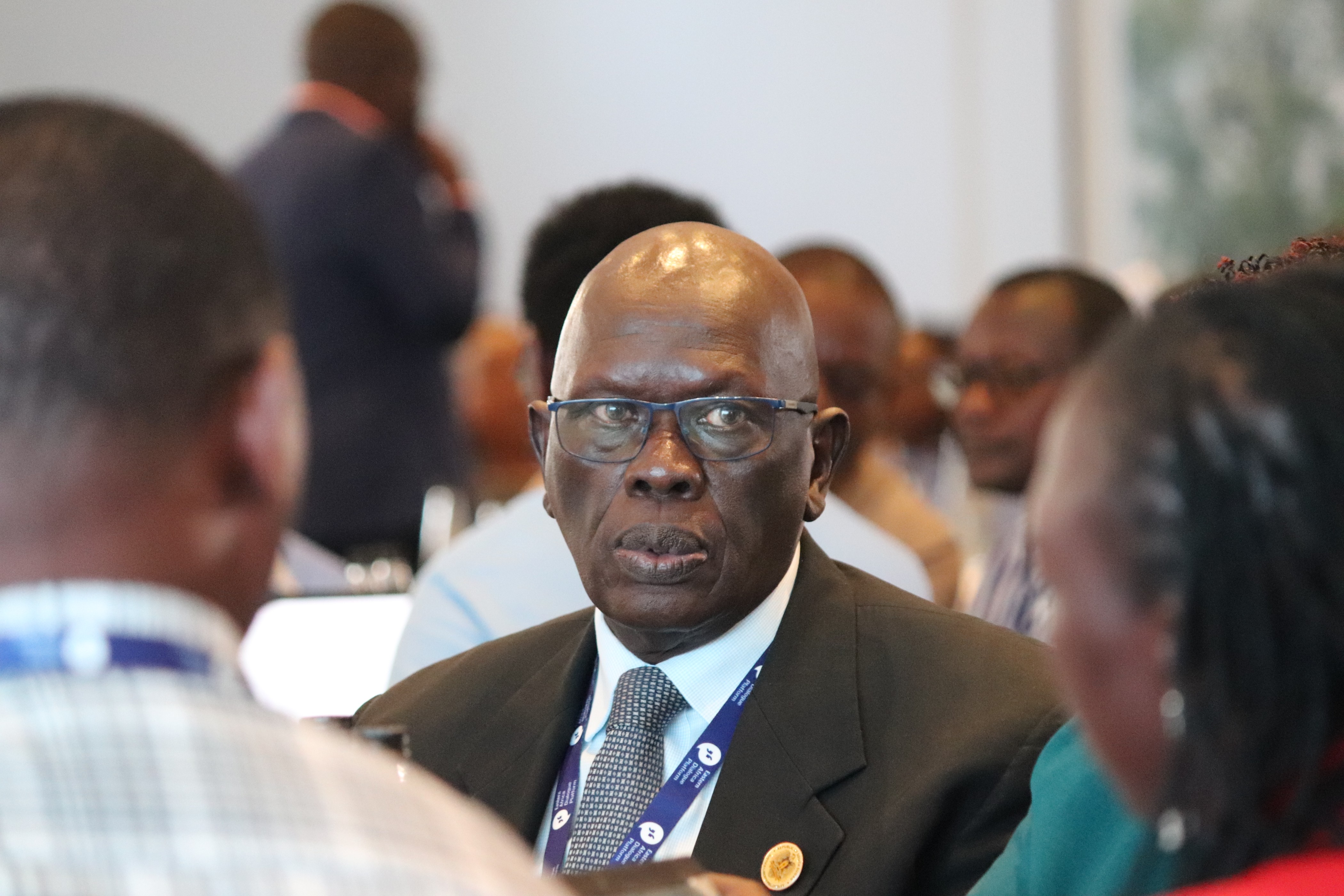
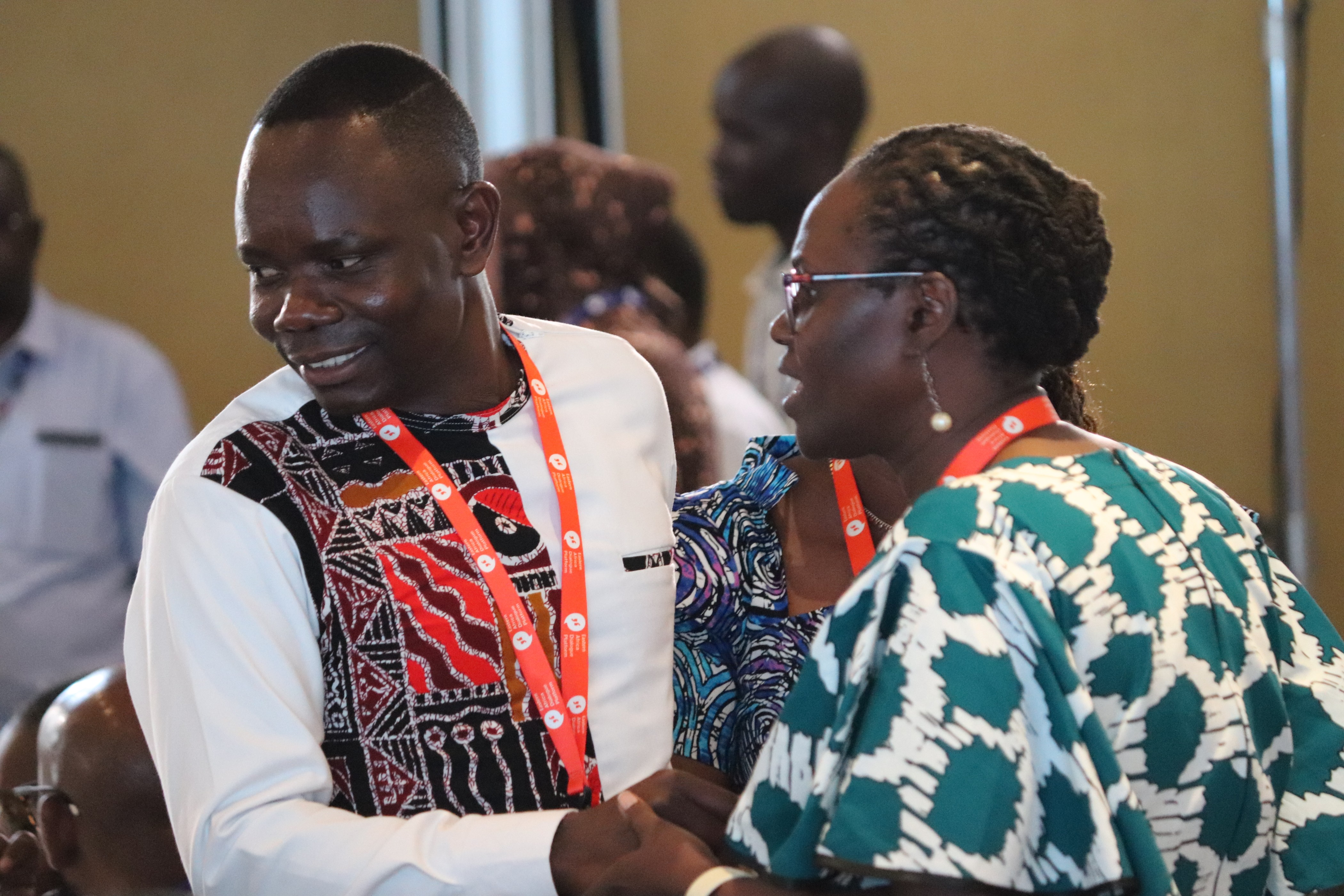
Speakers during the official opening ceremony reflected on this regional momentum, while also noting what still needs to be done. “The first EADP established a shared vision. Since then, national roadmaps have been developed, regional working groups have been established, our understanding of triggers and financing has developed,” observed Dr Workneh Gebeyehu, Intergovernmental Authority on Development (IGAD). “Now, we must now move from pilots to systems, from commitments on paper to finance on the ground... This is where our ambition must meet our responsibility.”
This dialogue platform was an opportunity to move forwards, he concluded, inviting the governments and others present to invest in the areas that can make this a reality: early warnings, local institutions, communities’ capacity, and the evidence that demonstrates what works with anticipatory action.
On day two, a TV Town Hall, livestreamed by Citizen TV, will inform viewers in Kenya and beyond about the latest developments for anticipatory action in the region.
You can watch this event on YouTube.
Locally led and locally relevant
The conversations continued during 14 parallel sessions, which tackled themes ranging from diaspora as frontline actors to humanizing anticipatory action. A common thread was the need to embed anticipatory action within local systems and structures. During the session on institutionalizing localized, gender-responsive anticipatory action, participants considered the extent to which communities truly own anticipatory action. What hinders meaningful local participation? When does community involvement constitute real ownership?
Barriers to local participation include cultural and gender norms that exclude certain groups. In many cases, it is women that are on the outside, but evidence from Kenya shows that this can change. Fatuma Abdi, CARE International, noted that women’s agency and leadership has grown in some regions: “From talking to consultation, now they are taking leadership; they are taking responsibility, talking with each other, and are now able to take action. That’s very encouraging.” This has been achieved through varied efforts, which include working with men and boys to ensure there is an environment in which women are able to assume such roles.
Access can also be a barrier to local involvement in anticipatory action, especially for people living in hard-to-reach or unsafe areas, who may not be able to take part in meetings or discussions. A project led by CARE Kenya is working to ensure such groups are involved throughout the whole anticipatory action process, not just during the implementation phase. And this is already starting to pay off. “We are seeing a shift,” Thomas Ihura told the participants. “The communities are now coming into our offices, making us change what we do, how we design [a project].”
The conversations will continue during the week, and there is still a way to go before all the ambitions in the Mombasa Declaration are fulfilled. But on day one of EADP2, it’s also clear that in the past two years, every country in eastern Africa has made huge strides towards advancing anticipatory action.
The 2nd Eastern Africa Dialogue Platform continues until 30 October. For all the latest developments, visit the event website.
it is organized by IGAD, the government of Kenya and the IGAD Regional Technical Working Group on Anticipatory Action, in partnership with OCHA, the Anticipation Hub, the IFRC, WFP, the Red Cross Red Crescent Climate Centre, the International Livestock Research Institute, CGIAR, the Danish Refugee Council, the Global Facility for Disaster Reduction and Recovery, the World Bank, the University of Sussex, the Climate Adaptation and Resilience (CLARE) programme, the Food and Agriculture Organization of the United Nations, Action Against Hunger, Start Network, the United Nations Office for Disaster Risk Reduction and Kenya Airways. It is supported by the European Union and the German Federal Foreign Office.
Quotes have been edited for length.