 Flood
Flood
Niger activated its anticipatory action framework for floods on 13 January 2026, after the thresholds for riverine floods were reached. This saw the immediate release of 5 million US dollars from the United Nations’ Central Emergency Response Fund, which is being used to help humanitarian partners deliver early, life‑saving support ahead of the projected peak impacts of the floods.
The activation was based on observed water levels along the Niger River in Niamey, where rising water levels signalled a heightened risk of flooding during the upcoming rainy season. The pre‑arranged actions, which were developed jointly by the Niger government and humanitarian partners, are now being deployed in the most exposed areas, including the Dosso and Tillabéri regions.
Stepping in before the crisis hits
The pre-arranged interventions include:
- dissemination of early warnings
- anticipatory cash transfers for at‑risk households
- reinforcement of shelters
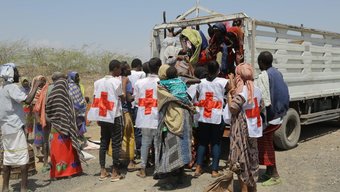
- distribution of essential household items
- emergency water, sanitation and hygiene assistance
- mobile health services.
These actions, coordinated by the United Nations Office for the Coordination of Humanitarian Affairs (OCHA) under the leadership of the government, are designed to protect lives, safeguard livelihoods and preserve the dignity of communities likely to be affected by flooding.
Building on lessons from past floods
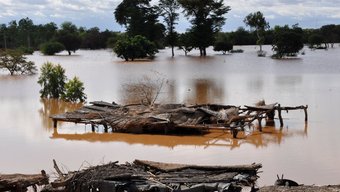
Severe floods affected Niger and other parts of West Africa in 2024, highlighting the need for earlier and more predictable preparedness measures. Niger’s revised anticipatory action framework, endorsed by national authorities, integrates these lessons and strengthens data‑driven, multisectoral action to reduce humanitarian impacts. Furthermore, it includes a monitoring and learning component that will assess the effectiveness of the anticipatory actions during this activation, which will support continuous improvement and stronger national capacity ahead of future crises.
As anticipatory action becomes more embedded in Niger’s disaster‑management system, this approach aims to shift humanitarian response from reacting after devastating disasters to acting early in order to minimize losses and strengthen the resilience of affected communities.