
- Africa
- Madagascar

Madagascar defines a roadmap towards 2030 following its first National Anticipatory Action Dialogue Platform
Madagascar’s first National Anticipatory Action Dialogue Platform was an opportunity to reflect on ten years of implementing this approach in the country – and to define its path for the future.
Madagascar defines a roadmap towards 2030 following its first National Anticipatory Action Dialogue Platform
Madagascar’s first National Anticipatory Action Dialogue Platform marked a major milestone for the country. It provided an opportunity to highlight the achievements, challenges and lessons learned, while also acting as a strategic forum for collective reflection to define the country’s orientation for the future and its national roadmap for anticipatory action for 2026-2030.
Madagascar is among the countries most exposed to climate-related hazards. Located along the cyclone trajectory of the South-West Indian Ocean basin, it is regularly affected by extreme cyclones and floods. It also faces recurrent droughts, particularly in the Grand South regions. Against this backdrop, Madagascar began its anticipatory action initiatives in 2016, aiming to reduce the impacts of climatic shocks on people and livelihoods, with these early interventions focusing on drought and food insecurity.
After a decade of implementation, the government of Madagascar sought to capitalize on the experience and lessons accumulated, to consolidate the foundations of anticipatory action in the country, and to shape its future direction. The first National Anticipatory Action Dialogue Platform, held in Antananarivo from 6 to 8 October 2026, brought together more than 150 participants, representing government institutions and ministries, United Nations agencies, the International Red Cross and Red Crescent Movement, national and international non-governmental organizations, civil society organizations, the private sector, academia and technical experts. Participants gathered around a common theme: ‘Learning from yesterday, anticipating today, and protecting tomorrow’.
Photos from the first National Anticipatory Action Dialogue Platform
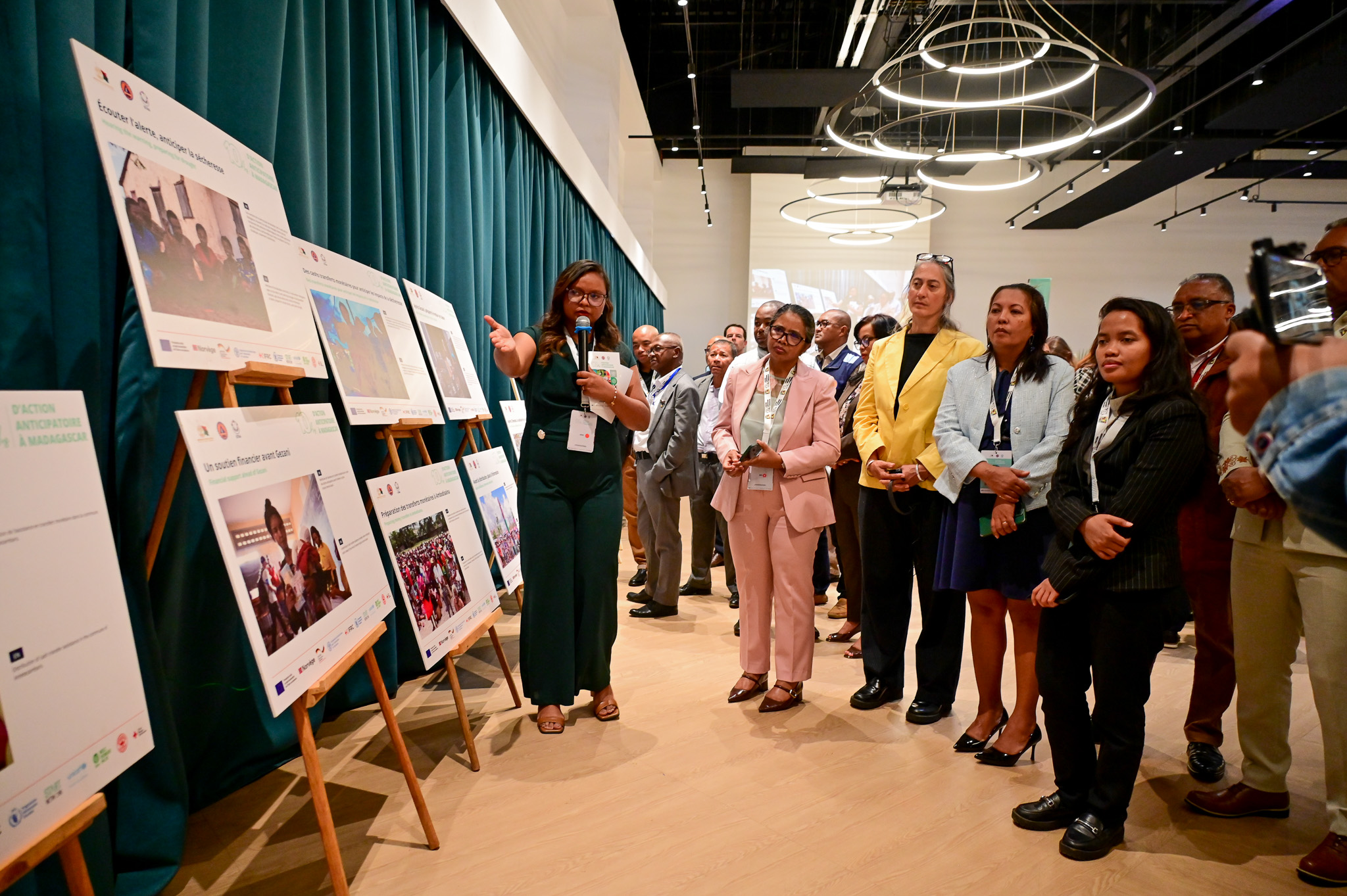
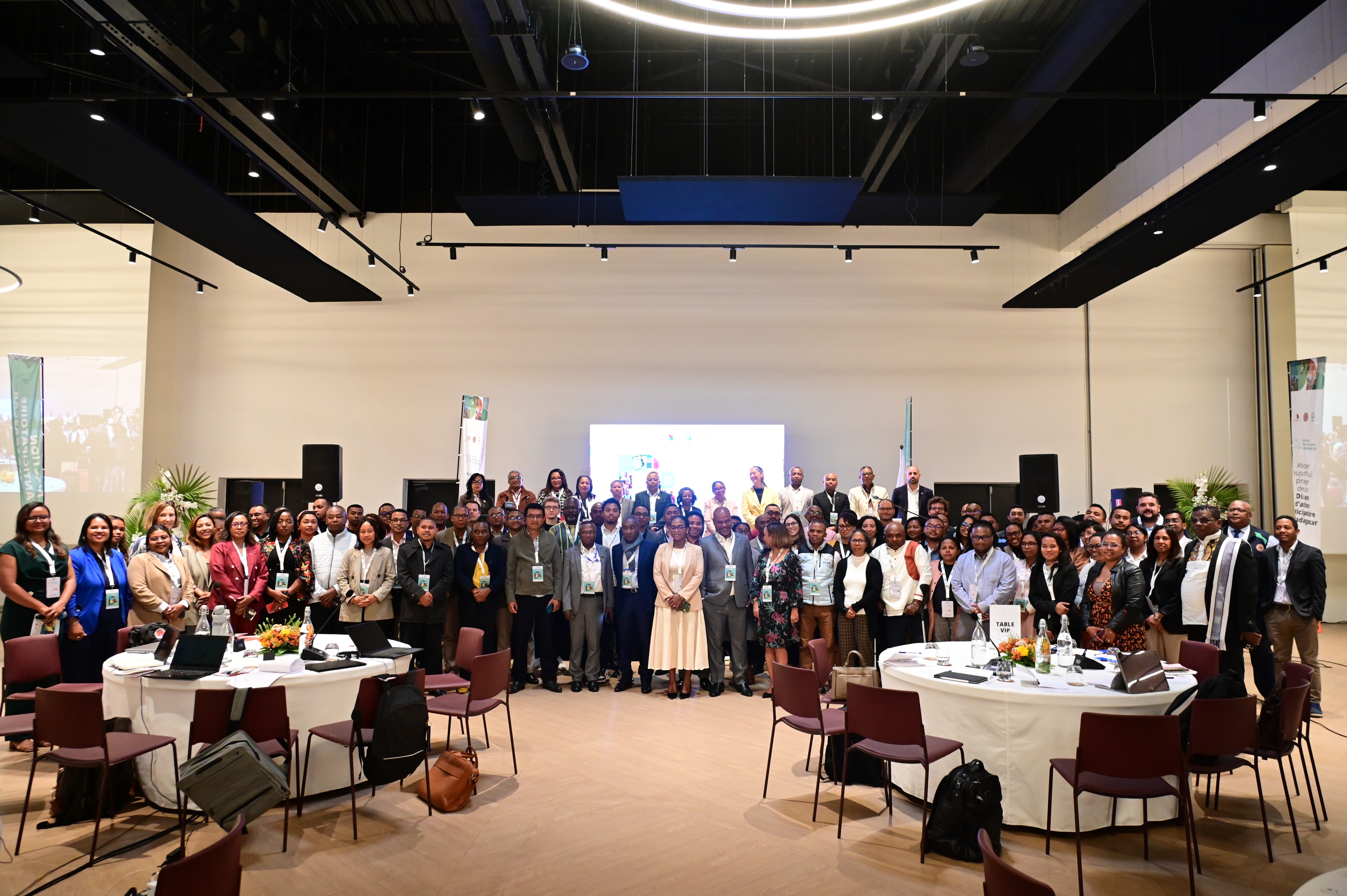
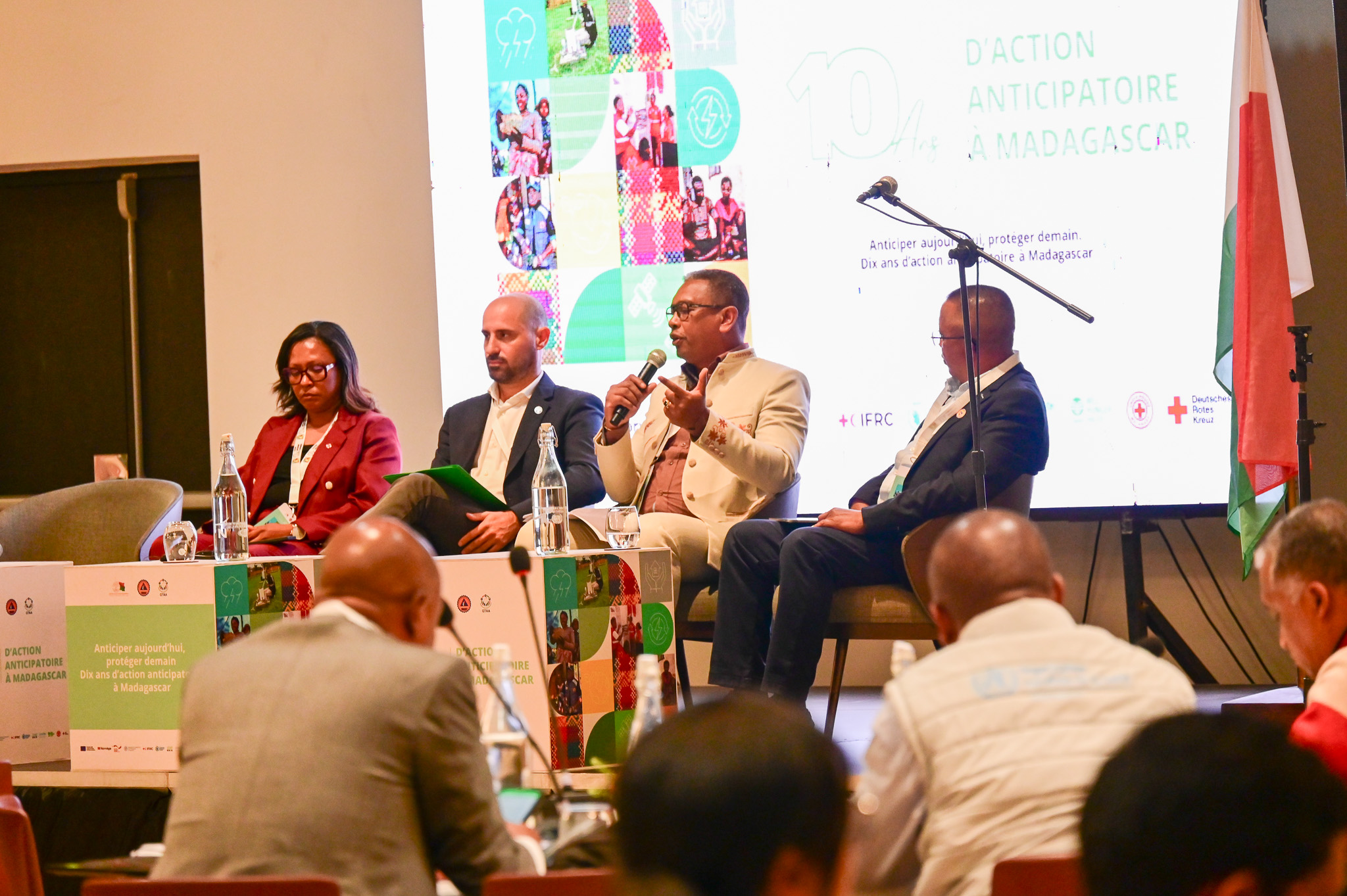
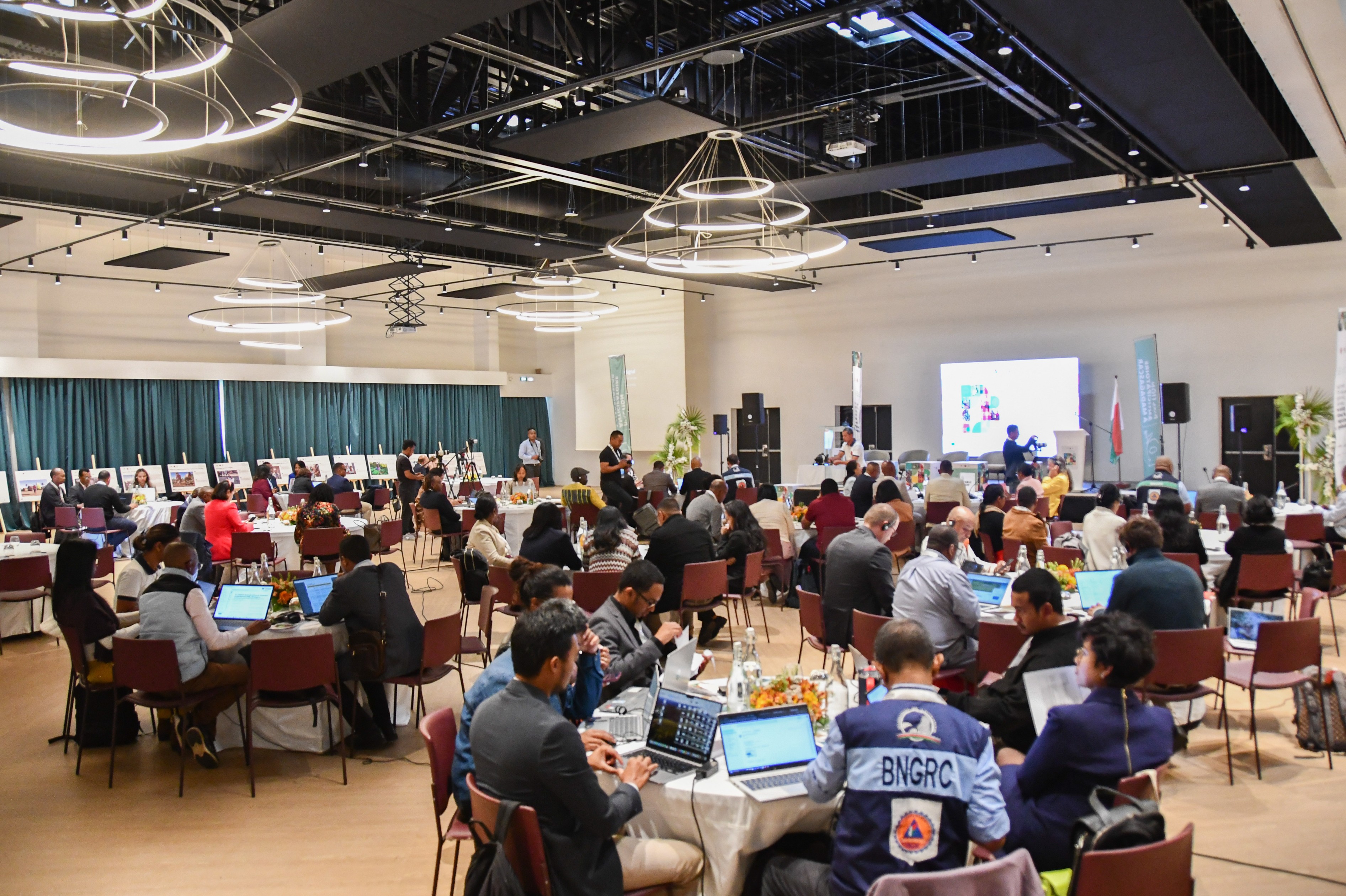
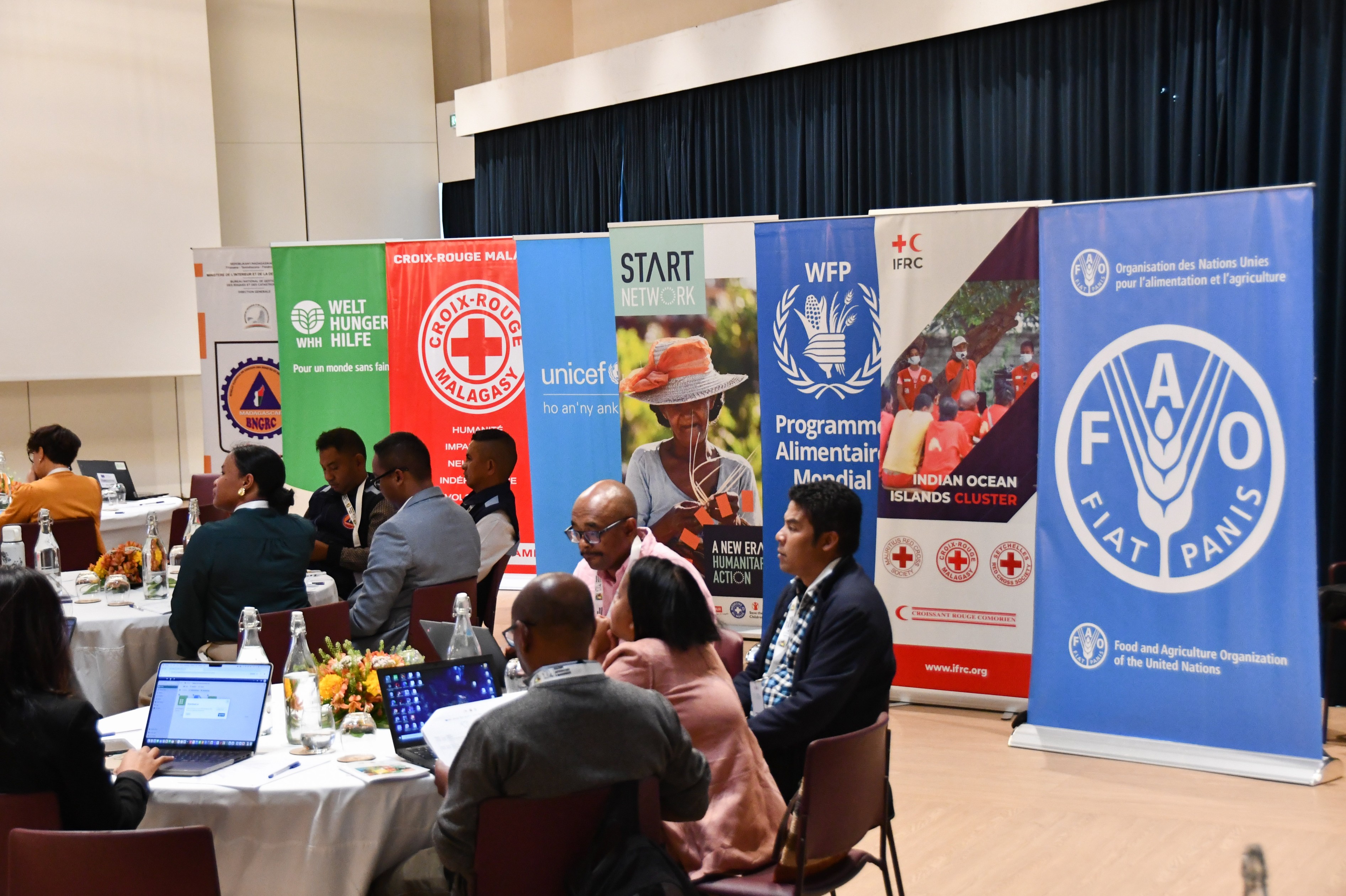
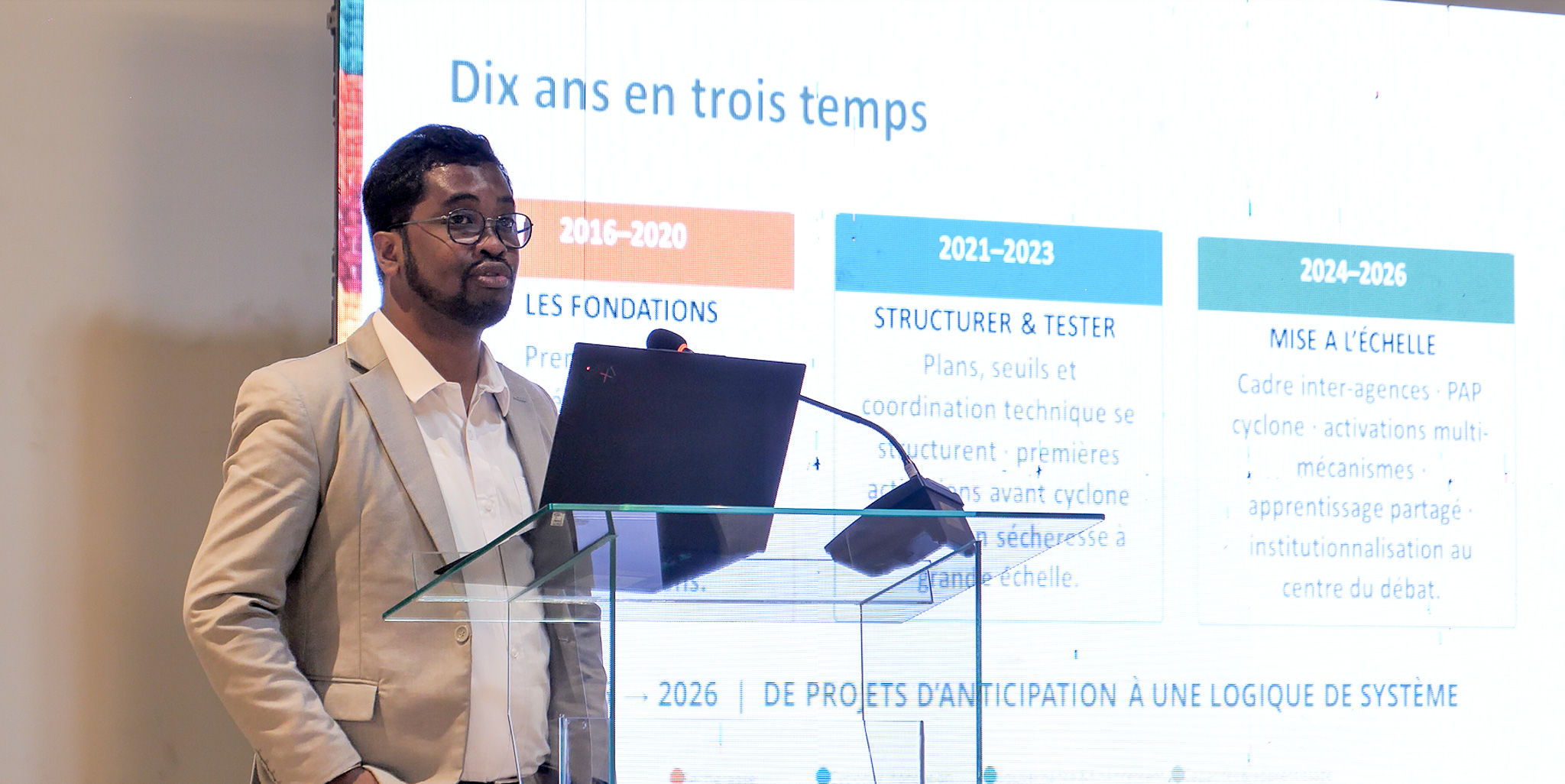
Celebrating ten years of progress
The event opened with remarks by Ms Andriantomponera Voahangiarimino Nalisoa, secretary-general of the Ministry of Interior and Decentralization and the country director (acting in charge) of the World Food Programme (WFP). Speaking in her role as co-lead of the National Anticipatory Action Working Group, and on behalf of technical and financial partners, she highlighted the progress achieved over the past decade: “For ten years, we have carried this initiative forward together. Today, we celebrate ten years of progress in a vision that seeks to shift from reacting after disasters occur to anticipating their impacts. Anticipation is no longer an option; it is a necessity.”
Speaking also on behalf of the government, she also emphasized the country’s progress in proactive risk management and the growing importance of anticipatory action within Madagascar’s national framework for disaster risk management (DRM). “We can be proud of the progress achieved in developing a more proactive approach to risk. The mechanisms established and tested throughout various crises have taught us an essential lesson: anticipatory action makes a difference. Acting before impact allows us to better protect populations.”
Reviewing ten years in three days
Participants then conducted a collective review of ten years of anticipatory action in Madagascar, which highlighted the key achievements made since the first initiatives. These included the strengthening of early warning systems, the development of anticipatory action protocols, improvements in coordination mechanisms, and the gradual integration of anticipatory action into national DRM systems. The discussions also noted the lessons learned during the past decade from recurring cyclones, droughts and floods, as well as the evolution of partnerships among government institutions, humanitarian actors, technical and financial partners, and the private sector.
Thematic working sessions focused on priorities for consolidating and sustaining Madagascar’s national anticipatory-action system. Discussions addressed governance issues, multi-sectoral coordination, sustainable financing, capacity strengthening at national and decentralized levels, improvements to forecasting, and trigger mechanisms. Particular attention was given to harmonizing approaches, improving the interoperability of risk analysis and monitoring tools, and updating the national reference framework for anticipatory action.
Across the three days, participants underscored the importance of acting before crises occur to protect vulnerable populations before shocks materialize. Several ways to achieve this were raised, including:
- stronger dissemination of early warnings to the ‘last mile’
- improved community preparedness
- enhanced mechanisms to enable the rapid activation of pre-agreed actions.
Localization, especially the engagement of local authorities and community ownership, were also recognized as essential conditions for effective and sustainable anticipatory action.
Another theme highlighted was the growing role of the private sector in anticipatory action, particularly in terms of logistics, telecommunications, financial services and support to economic value chains. Discussions identified opportunities to strengthen public–private partnerships to expand national preparedness and early response capacities.
Beyond operational considerations, participants stressed the importance of stronger government ownership and the integration of anticipatory action into public policies, DRM mechanisms and development strategies. They agreed that scaling up anticipatory action will require sustainable investments, stronger forecasting and information systems, and pre-arranged financing mechanisms capable of supporting rapid action before crises occur.
Key achievements 2016-2026
Major achievements during the first decade of anticipatory action in Madagascar include:
- establishing the National Anticipatory Action Working Group under the leadership of the BNGRC and co-led by WFP
- creating a regional branch of the working group in southern Madagascar, under the leadership of the regional BNGRC office
- developing a national framework document on early warning systems-based action
- organization of the first National Anticipatory Action Dialogue Platform.
Looking to the future: a roadmap to 2030
Among the achievements at this first national dialogue platform was the establishment a shared vision for the period 2026–2030, one that is based on strengthened collaboration among scientific institutions, sectoral ministries, decentralized authorities, civil society organizations, the private sector, and technical and financial partners. This vision aims to make anticipatory action a sustainable pillar of Madagascar’s DRM system, reducing losses, protecting livelihoods and strengthening resilience in the face of increasing climate risks.
The event concluded with a collective commitment to strengthen coordination, financing mechanisms and early warning systems in order to accelerate the scale up of anticipatory action in Madagascar. Participants reaffirmed their shared determination to enhance national ownership, strengthen partnerships and better protect vulnerable populations before shocks escalate into crises.
Priority commitments include the following:
- Institutionalize anticipatory action within Madagascar’s national DRM system and ensure the sustainability of the National Anticipatory Action Working Group.
- Strengthen national early-warning and triggering systems through the operationalization of a unified national decision-support dashboard, harmonized trigger thresholds for cyclones, droughts, floods and health risks, and the use of technological innovations and artificial intelligence to improve forecasting.
- Develop sustainable and accessible anticipatory financing mechanisms by strengthening the National Contingency Fund, mobilizing additional national and international resources, and facilitating access to financing for local governments, civil society organizations and local actors.
- Enhance local preparedness and the capacities of at-risk communities through awareness-raising, strengthened regional, district and municipal contingency plans, and the integration of local knowledge and indigenous practices into preparedness and early warning systems.
- Ensure that early warning information reaches populations at the last mile by diversifying dissemination channels through telecommunications, schools, community networks, women’s organizations and organizations of persons with disabilities, while promoting the use of local languages.
- Promote a multisectoral approach and stronger partnerships among public institutions, humanitarian and development actors, scientific institutions, the private sector, and technical and financial partners to better protect Malagasy communities from climate-related risks.
After ten years of progress, Madagascar is now looking ahead with a shared ambition: transforming anticipatory action from a series of initiatives into a fully institutionalized, nationally owned system capable of protecting lives, safeguarding livelihoods and strengthening resilience before disasters strike.
Article by Mr Miyo Rabaritsimba.
Photos provided by WFP.