
- Africa
- Nigeria
 Flood
Flood

From early warnings to anticipatory action: how flood forecasts can save lives in Nigeria
Flood forecasting in Nigeria has improved in recent years, but too many families remain caught between knowing a flood is coming and being able to take the actions needed in time. This article examines this ‘last-mile’ gap between forecasts and household action, explaining why early warnings often fail to trigger protective anticipatory actions – and highlighting practical ways to close this gap.
From early warnings to anticipatory action: how flood forecasts can save lives in Nigeria
In 2025, in a small riverside community in Ibaji, Kogi State, Mama Fatima listened to the latest flood alert crackling over the radio. The message was clear: water levels on the Benue and Niger rivers, which merge in the north of Kogi, were rising fast. She had heard similar warnings before and, as in the past, she moved her valuable belongings up higher, then tied the goats closer to home. And then she waited.
When the floodwater reached her, though, it swallowed up her farm, the path to the market, and the only road out of the village. The warning had arrived in time, but the actions Fatima took were not sufficient to protect her family’s harvest.
This story is being repeated across Nigeria in 2026. Too many families remain caught between knowing a flood is coming and being able to take the actions needed in time. This article examines this ‘last-mile’ gap between flood forecasts and household action, explaining why early warnings often fail to trigger protective anticipatory actions, and highlighting practical ways to close this gap.
Bridging the gap between forecasts and actions
Forecasting in Nigeria has improved in recent years. The Nigerian Meteorological Agency’s seasonal outlooks are more accurate than ever, as are the Nigeria Hydrological Services Agency’s (NIHSA) annual flood predictions. Meanwhile, the National Emergency Management Agency (NEMA) has shifted its language from talking purely about disaster response to discussing “early warning and early action”.
Information is also coming earlier, with credible forecasts available months in advance. Already in 2026, NIHSA has flagged over 14,000 communities across 33 states and the Federal Capital Territory as being at high risk. In Kogi, ten local government areas – Adavi, Ajaokuta, Bassa, Ibaji, Idah, Igalamela-Odolu, Kogi, Lokoja, Ofu and Omala – were placed on high alert, with NEMA and the Kogi State Emergency Management Agency (SEMA) holding stakeholder meetings in June 2026 to coordinate preparedness activities. All this indicates that the system is moving forwards.
But while early warnings now travel faster, the ability of households and communities to act on the information is not always shifting at the same pace. The last mile, the final step between a forecast reaching a community and a family acting to protect itself, remains broken for too many people.
Research in Kogi State shows a painful pattern being repeated. Many households receive early warnings, through radio broadcasts, via Facebook or from trusted community leaders, and their perception of the risks is often high. Yet their capacity to take anticipatory actions stays low: people know the flood is coming, but they lack the resources, clear options or timely support to move their assets, reinforce their homes or evacuate at-risk areas safely. This undermines the ambitions of the Sendai Framework for Disaster Risk Reduction, which emphasizes the need to strengthen local coping capacities as a cornerstone of effective risk management.
What the last mile looks like in Kogi
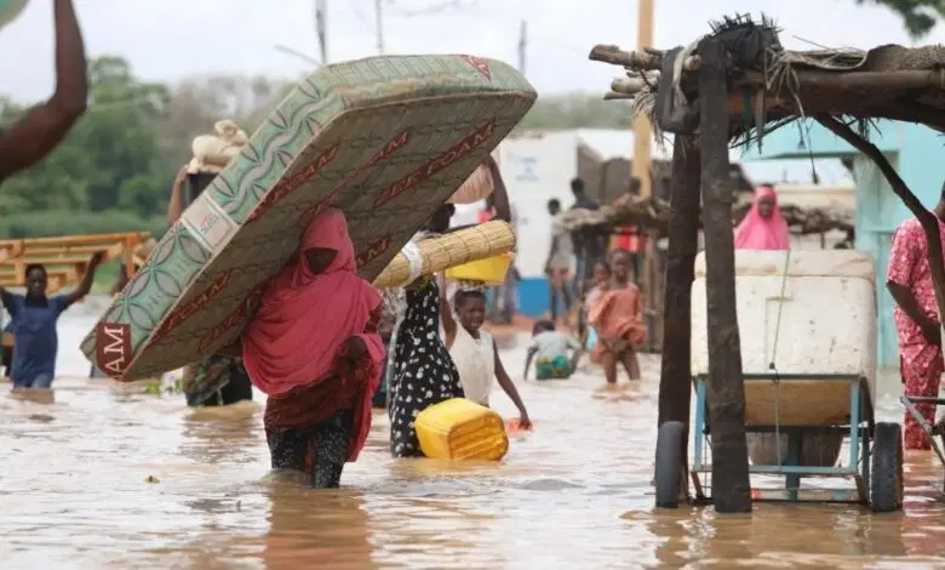
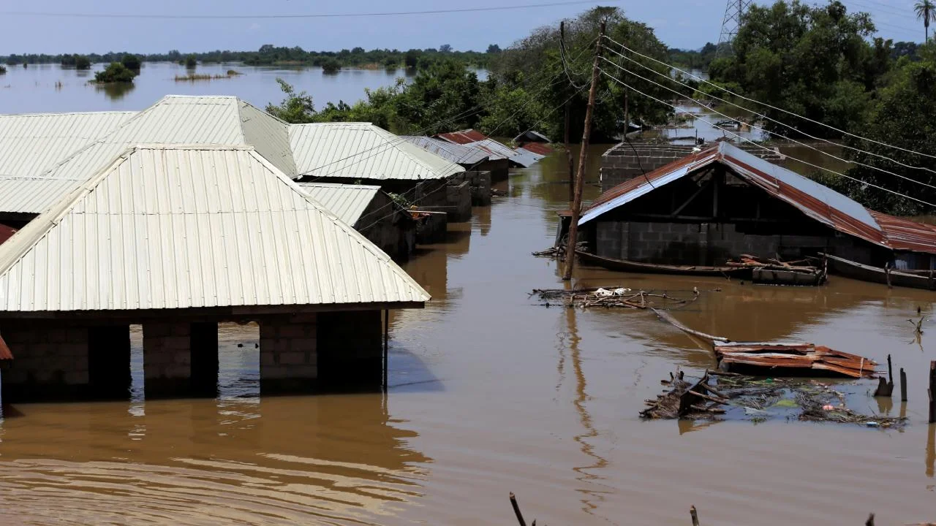
In riverine wards of Kogi, communities can become islands when the rivers swell. Roads disappear, mobile networks falter, and the same geography that makes these places fertile for agriculture isolates them when it matters most.
A 2025 study on household preparedness in Kogi’s last-mile communities found that access to official flood sensitization from agencies remains limited. Household heads often become the main source of information, which is passed down within families. Structural steps happen more readily than non-structural ones. Gender further shapes who can take decisions and act quickly.
The result is familiar: families hear the warnings but still have to watch as their harvests and homes disappear under the brown floodwaters.
A different picture: when anticipatory action actually happens
This gap can be closed. In parts of Kogi, anticipatory cash transfers, triggered by AI-powered flood forecasts, reached thousands of families weeks before the floods in 2025 peaked. Using granular forecasts from NIHSA combined with local knowledge from community leaders, GiveDirectly was able to send unconditional cash transfers, worth around 105 US dollars, through simple, phone-based USSD codes.
Families used this cash in different ways. One woman evacuated her property ahead of the flood. A father built bamboo rafts to protect his farm produce and move his children to safer buildings. Because the money arrived early, these families were able to make choices, rather than having to wait and suffer the consequences. According to the project’s own evaluation, food insecurity dropped, incomes recovered faster and people felt meaningfully prepared for the next season. Providing anticipatory cash of around 105 US dollars is also substantially cheaper than the full cost of post-flood relief and recovery.
This is what can happen when initiatives are specifically designed to reach the last mile. As such, it contributes to Pillar 4 of the Early Warnings for All initiative, which focuses on ensuring communities have the systems, resources and capacity to turn early warnings into anticipatory action.
Closing the last-mile gap
While there continues to be room for improvement in existing forecast systems, Nigeria also needs systems that treat the last mile as the most important mile. In practice, this means localized warnings that are delivered through trusted channels, paired with anticipatory support; community-based systems that blend science with local knowledge; and evacuation planning with clear roles.
State governments in high-risk areas should work with NEMA, the Kogi SEMA and development partners to pilot anticipatory cash linked to localized flood warnings; this could be done in the 2027 budget cycle, using NIHSA forecasts as triggers for acting. Ring-fencing modest resources for last-mile anticipatory action now will reduce both human suffering and fiscal pressure later.
Only through approaches such as this can the last-mile gap start to close. A good forecast tells us when and where the water is coming, but an anticipatory system ensures that, when it does arrive, families will have already moved what matters most and acted to protect the harvest that will feed them.
This article was written by Omowaye Emmanuel Pelumi, a disaster risk reduction programme manager at Geohazard Risk Mapping Initiative, and Taiwo Ogunwumi, a specialist advisor in flood risk and anticipatory action and founder of the Geohazard Risk Mapping Initiative.
Photos: © Ademola Adegbamigbe; © Dayo Johnson; © John Akinfehinwa
This article was also published on PreventionWeb (CC BY-NC-SA 3.0 IGO licence). The version here has been edited from the draft initially provided by the authors.